

In a world where environmental challenges often feel overwhelming, one man’s dedication to restoring polluted land highlights the power of innovation and nature. Dr. Lal Singh’s groundbreaking work with bamboo not only brings hope to degraded soils in India but also rejuvenates communities striving for a better future.
In the heart of Maharashtra, India, a remarkable transformation is underway. Lands once choked with ash from thermal power plants are finding new life thanks to an unexpected hero: bamboo. The story begins in areas like Ubagi and Khapari, where small farms were smothered under mountains of fly ash, a byproduct of burning coal that rendered the soil nearly lifeless.
Dr. Lal Singh, a dedicated researcher from the National Environmental Engineering Research Institute, recognized the plight of local farmers. After 12 years of research, he developed a five-step approach aimed at restoring these barren lands. His plan is not just innovative; it’s a beacon of hope for communities affected by pollution.
“Fly ash contains silica, which settles on crops and diminishes their productivity,” explains Dr. Singh. However, he discovered that bamboo is a natural ally in this battle. The plant actively attracts silica, helping to shield nearby crops from its harmful effects. This connection between bamboo and soil health inspired his research, providing a pathway to reclaim the land.
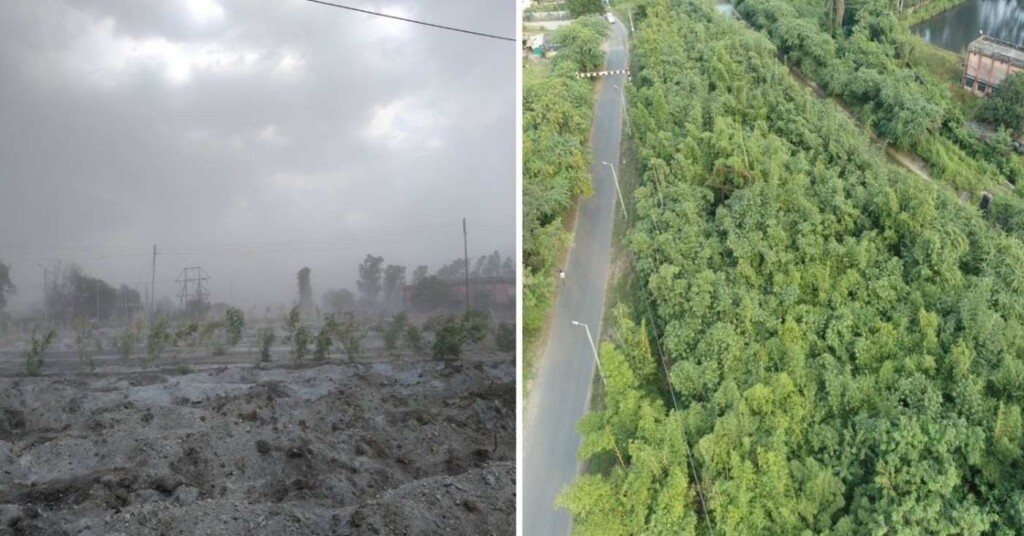
Dr. Singh’s methodology begins with identifying the specific contaminants, which varies from site to site. Once pinned down, he screens plants that can tolerate these pollutants. Next, the excess ash is cleared away, and the soil is enhanced with microbial strains. Finally, bamboo is planted, setting the stage for a greener future.

With successes already blooming in Maharashtra, Dr. Singh has ambitious plans to extend his approach to regions like Uttar Pradesh and Odisha. “Our next mission is in Anpara, where we aim to create a green belt around a water reservoir threatened by fly ash pollution. This project will protect both the water source and the surrounding ecosystem,” he shared.
Dr. Singh’s commitment to environmental restoration is not just an academic pursuit; it represents the potential for real change in communities affected by pollution. His work is a powerful reminder that nature and innovation can work hand in hand to heal our planet.
Let’s celebrate Dr. Singh’s incredible contributions and support efforts to nurture our ecosystems—one bamboo plant at a time!
If you would like to see similar good news stories click here & Share this to brighten someone’s day.