
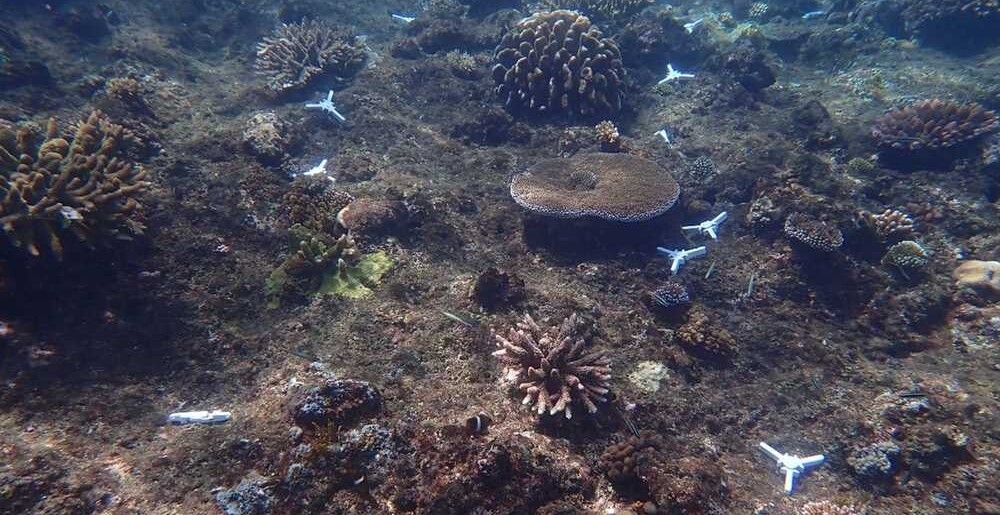
In the stunning waters of the Maldives, a pioneering project is breathing new life into coral reefs, bringing hope to ocean ecosystems and island communities alike. This is a story of innovation, collaboration, and a shared mission to protect our precious marine environments through cutting-edge technology.
On the picturesque island of Maniyafushi, marine scientists have unveiled a remarkable mobile coral spawning system, achieving astonishing results. Thanks to this innovative method, over 10,000 juvenile corals have been successfully nurtured by local operators in a groundbreaking initiative funded by a $1.5 million grant.
This system, co-developed by the Australian Institute of Marine Science (AIMS) and the Maldives Marine Research Institute (MMRI), is affectionately known as ReefSeed. This compact, shipping container-sized laboratory allows local scientists to nurture coral in just weeks instead of months, and it operates independently of external power or diving requirements.
The success of ReefSeed speaks volumes. During its first spawning season, a single unit managed to produce an astounding 3 million larvae, leading to the growth of 10,000 young corals. These were then carefully spread across nine reefs using 720 specialized seeding devices. Remarkably, this entire process was carried out without the presence of AIMS experts. This indicated that local teams could confidently manage the system without specialized training.
Dr. Muhammad Azmi Abdul Wahab, a coral reproduction scientist and co-lead on the ReefSeed project, shared his excitement about making this technology accessible to other island communities worldwide. “Working alongside our colleagues at MMRI, we’ve gained invaluable insights that will help refine our training and improve the functioning of the system,” he noted.
Coral reefs in the Maldives are not just beautiful; they are vital for the local economy and communities. However, they have been severely affected by climate change-driven bleaching events. Innovations like ReefSeed offer a glimmer of hope, contributing to restoration efforts and sustaining livelihoods.
As part of their training, MMRI scientists participated in the autumn spawning season at the Great Barrier Reef. Witnessing this phenomenal natural event was akin to observing a giant snow globe come to life, and it helped them grasp the intricacies of coral spawning to bring back to their own projects.
This inspiring journey shows that with the right tools and dedication, communities can nurture their ecosystems back to life. The potential of ReefSeed is immense, and it stands as a testament to what can be achieved when innovation meets collaboration.
SHARE this inspiring story about how technology and teamwork are helping to save our reefs!
If you would like to see similar good news stories click here & Share this to brighten someone’s day.