

In the realm of medical innovation, a groundbreaking discovery has the potential to transform lives in unimaginable ways. This heartwarming story traces the incredible journey of a team of researchers who found hope in tiny powerhouses known as mitochondria, shedding light on a new frontier in treating heart and organ injuries.
James McCully, a dedicated researcher at Boston Children’s Hospital and Harvard Medical School, was engrossed in his work one day, extracting mitochondria—small but mighty energy-producing structures—from cells. Suddenly, the serenity of the lab shattered as teammates rushed in, flustered and desperate for a solution. They were facing a critical situation: a pig heart they’d been operating on was failing to pump blood effectively.
With a keen interest in these essential organelles, McCully jumped at the chance to apply his knowledge. He recognized that mitochondria hold incredible promise, especially for an energetic organ like the heart. Could delivering healthy mitochondria to the struggling heart restore its function? With determination and a dash of courage, McCully loaded a syringe with the extracted mitochondria and injected them into the ailing heart.
What happened next was nothing short of miraculous. As if fueled by the new mitochondria, the heart began to beat normally, its color returning to a vibrant hue that mirrored the renewed hope within the room. That single moment marked the dawn of a new possibility for reviving damaged hearts.
Fast forward nearly two decades, and McCully and fellow researchers have replicated their triumphant success in various animal studies. This innovative technique has been applied to human cases, especially in infants recovering from complex heart surgeries. What emerged was an entirely new field focused on mitochondrial transplantation as a way to heal damaged organs and combat diseases.
Mitochondria do much more than produce energy. They also play vital roles in signaling, helping regulate bodily functions and supporting immune responses. The concept that healthy mitochondria could be ‘donated’ from one cell to another, akin to a lifeline, began to captivate scientists. Through a fascinating process known as mitochondrial transfer, cells could selflessly share their energy resources, especially crucial in recovery situations like strokes.
About a decade ago, renowned cardiac surgeon Sitaram Emani was struck by the success of McCully’s mitochondrial research. He had seen babies with heart defects struggle after surgeries, and he wondered if these organelles might offer a beacon of hope. Armed with this idea, Emani approached McCully to explore the potential to help these vulnerable infants.
During heart surgery, a drug is often used to halt the heart. Unfortunately, if blood flow is cut off for too long, mitochondria can shut down, causing cells to die, a condition known as ischemia. When blood flow resumes, it may not restore the heart to its original state, but rather cause further damage, leading to ischemia-reperfusion injury. Seeing the urgent need for intervention, McCully and Emani agreed to trial the mitochondrial transplantation method on some of the most fragile patients.
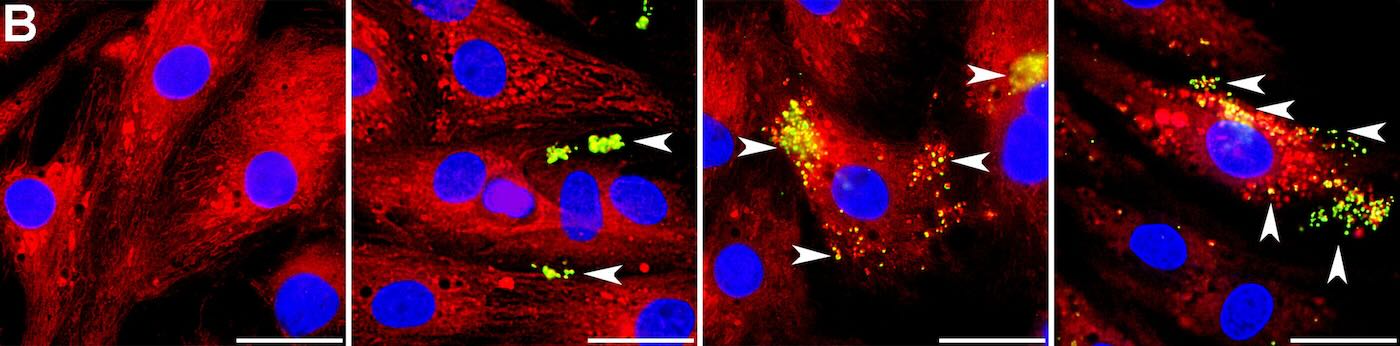
Over a pilot study span from 2015 to 2018, parents of ten patients bravely consented to the experimental procedure. McCully skillfully extracted tiny muscle samples during surgery, filtering to isolate functional mitochondria, which were then injected into each baby’s heart.
The results were hopeful: eight out of ten infants regained enough heart function to come off life support, notably better than the historical data from prior cases. The recovery times were also significantly shorter, marking a hopeful advancement in medical care for these vulnerable patients.
Even as the field remains in the experimental stage, McCully’s aspirations soar. He envisions a future where mitochondria could rejuvenate not just hearts, but kidneys, lungs, and other organs suffering from diminished blood flow. The success of this early work has encouraged others to explore additional applications, particularly for conditions like strokes.
One ambitious researcher, Walker, recognized the potential of mitochondria in stroke recovery after studying past work that showed beneficial mitochondrial transfers to brain neurons. This sparked her imagination: could mitochondrial transplantation aid in human stroke patients? After rigorous testing, she began trials to assess the safety of her methods, which showed promise, though she emphasized more research is needed to confirm effectiveness.
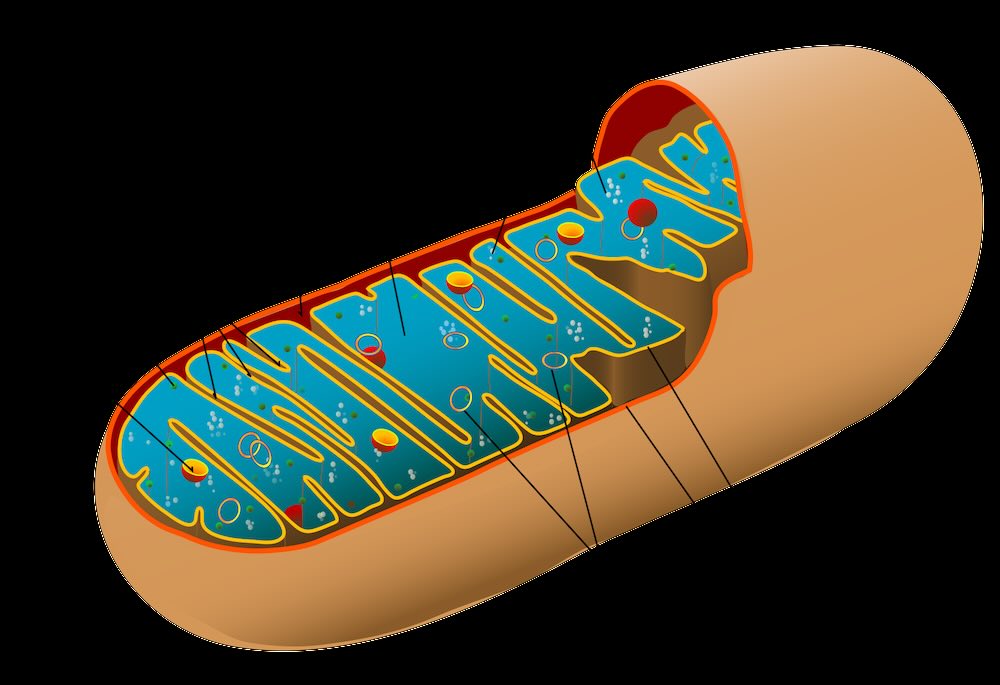
Research is also expanding into organ donation, as damaged donor organs risk rejection. Exploring mitochondrial interventions may be key to reviving them for transplant. Early studies revealed that mitochondria treatment in pig kidneys resulted in less cellular damage and increased energy production.
The excitement surrounding these discoveries doesn’t come without its fair share of skepticism. Experts voice concerns around issues like the scalability of mitochondria extraction and preservation. Nevertheless, the vibrant dialogue among scientists keeps hope alive for future breakthroughs. The ultimate goal? Establish a mitochondrial bank—one that could support a wide array of medical needs.
As we stand on the precipice of what could be a revolutionary treatment, one thing is clear: the journey of mitochondria transplantation embodies resilience and hope, a reminder of the boundless possibilities that science holds for the future of healing.
If you would like to see similar good news stories click here & Share this to brighten someone’s day.