

Sometimes, nature throws us a curveball. For years, the vibrant underwater life along the Californian coast faced a daunting challenge—a mysterious illness that was taking its toll on the beloved sea stars. Through teamwork and perseverance, scientists have turned the tide, discovering the culprit behind this aquatic crisis and paving the way for recovery.
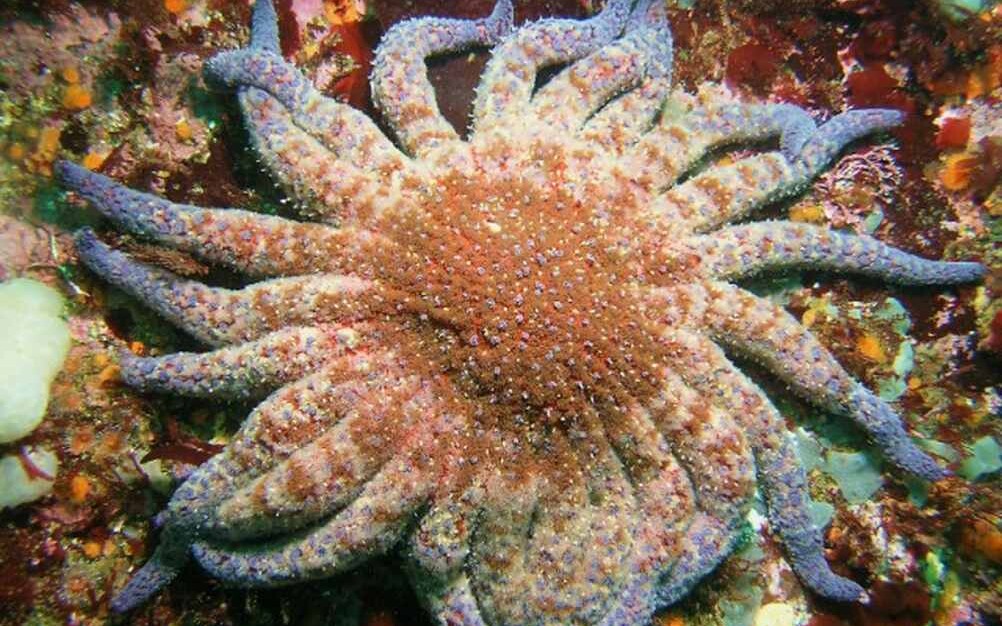
In recent years, a devastating wasting disease has been sweeping through the waters off California, turning countless sea stars into a gooey mess. The elegant sunflower sea star, with its impressive 20 arms, was one of the hardest hit, leaving millions of them struggling for survival.
But hope shone through the efforts of a dedicated team led by the California Institute of Marine Sciences. After four years of extensive research and collaboration, they unveiled a pivotal discovery—bacteria named Vibrio FHCF-3 was responsible for the devastation. By examining the sea stars’ circulatory fluid, akin to a unique form of blood, they pinpointed the enemy that was wreaking havoc on marine life.
The spread of this bacteria has been linked to warming ocean temperatures, creating a grim reality for these creatures. “We have evidence that there is a link between increasing ocean temperatures and this sea star wasting disease epidemic,” explained Melanie Prentice, one of the researchers involved, during an interview with CBS News.
The sunflower sea star plays an essential role in maintaining the balance of the marine ecosystem by keeping the populations of sea urchins in check. Without these formidable predators, the unchecked urchin populations began to munch away at kelp forests, leading to further imbalances within the underwater habitat.
Realizing the urgency of the situation, plans to revive the sunflower sea star population began to form. A coalition including the Hakai Institute, the universities of British Columbia and Washington, and various conservation organizations rallied together. Their unified goal? To restore the health of both the sea stars and their ocean environment.
As part of their comprehensive recovery strategy, a breeding program was initiated through partnerships with the Aquarium of the Pacific, Birch Aquarium, the San Diego Zoo Wildlife Alliance, and the Sunflower Star Laboratory. This initiative has successfully raised hundreds of sunflower sea stars, with biologists regularly screening for the bacteria to ensure their health.
Excitingly, some of these young sea stars now reside in aquariums where visitors can learn about their remarkable journey back to health and the crucial role they play in the ecosystem. Education and awareness are major aspects of this recovery process, reminding us all why it’s vital to protect our fragile marine environments.
The story doesn’t end here; it continues to unfold as researchers and conservationists work round the clock to nurture these extraordinary sea stars back to vibrant health. So join the movement—share their journey of resilience and recovery with others, making a difference one star at a time!
WATCH the inspiring story below from CBS News’ ‘Project Earth’ segment…
SHARE The Star Of This Story And Its Road To Recovery With Your Friends…
If you would like to see similar good news stories click here & Share this to brighten someone’s day.