

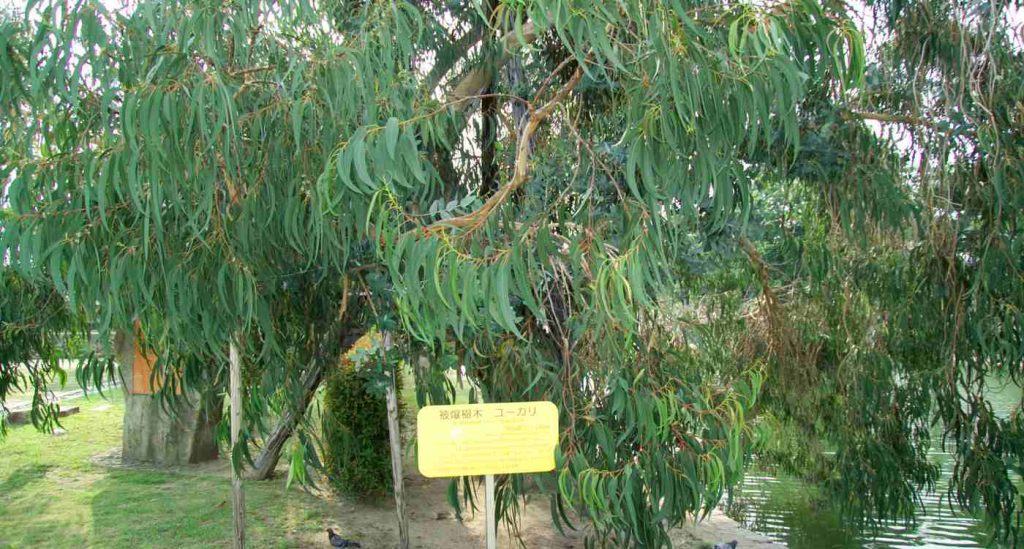
Amid the shadows of history lies an inspiring tale of resilience and hope. This story shines a light on the remarkable trees that survived the atomic bomb in Hiroshima, serving as living memorials to peace and courage. With the help of devoted individuals, these trees are transforming the narrative of destruction into one of renewal and eternal remembrance.
In the heart of Japan, an organization called Green Legacy Hiroshima (GLH) is on a mission to ensure that the pain of the Hiroshima and Nagasaki bombings is not forgotten. With the 80th anniversary of the bombings just behind them, their vision is to cultivate the surviving trees, known as hibakujumoku, and spread seeds of peace worldwide.
These trees, defiant in the face of devastation, stood resiliently within half a mile of the blast’s epicenter. One eucalyptus tree, in particular, emerged not only as a witness to history but as a symbol of survival. Even as flames engulfed the land, this tree managed to endure, drawing on an inner strength that mirrored the spirit of the people.
Founded in 2011, Green Legacy Hiroshima was born out of the urgent need to preserve these resilient trees. At a time when there were only 170 of these hibakujumoku left, there was an alarming realization: like the human survivors, known as hibakushi, the trees were dwindling in numbers. Some were lost to natural causes, while others fell victim to unintentional removals.
Organizers Nassrine Azimi and Tomoko Watanabe recognized that immediate action was essential. They embarked on a mission to raise awareness and protect these living memorials, which were outside the designated UNESCO World Heritage Site encompassing Hiroshima’s memorials. Together, they dreamed of a global initiative where the legacy of these trees could reach far beyond their roots in Japan.
Now, as of 2025, seeds have been shared with 41 countries, allowing communities worldwide to plant their own memorial gardens in honor of peace. GLH operates as a dedicated volunteer project supported by the United Nations Institute for Training and Research (UNITAR). What makes their journey remarkable is their choice not to fundraise publicly, instead honoring the powerful narratives shared by the hibakushi.
Central to their mission is an ambitious 1,000-year memorial project aimed at transcending traditional yearly commemorations. Hiroshima native Mariko Kikuchi, an expert in UNITAR’s Division of Prosperity, reflects, “I grew up learning about peace in Hiroshima, but I never knew about these trees. Their stories deserve to be told.”
One poignant symbol of hope is a weeping willow that survived near the blast zone. Its trunk was nearly obliterated, yet by 1947, as Hiroshima’s mayor surveyed the aftermath, the tree had begun to sprout anew. This miraculous event echoed the sentiments of a city beginning to heal. That very summer, Hiroshima hosted its first peace festival, attracting thousands from all corners of the globe to commemorate resilience and renewal.
These hibakujumoku stand testament to the indomitable human spirit, damaged but alive, growing alongside those who remember their past. Through the endeavors of Green Legacy Hiroshima, the legacy of these trees will continue to thrive for generations, nurturing seeds of hope and peace across the world.
SHARE this inspiring story of resilience, peace, and the indelible link between trees and humanity with your friends…
If you would like to see similar good news stories click here & Share this to brighten someone’s day.


