

Welcome to an inspiring tale of innovation and resilience! This story sheds light on a groundbreaking advancement in prosthetic technology that promises to transform the lives of amputees. With newfound agility and a deeper connection to their bodies, individuals are reclaiming their sense of embodiment and independence.
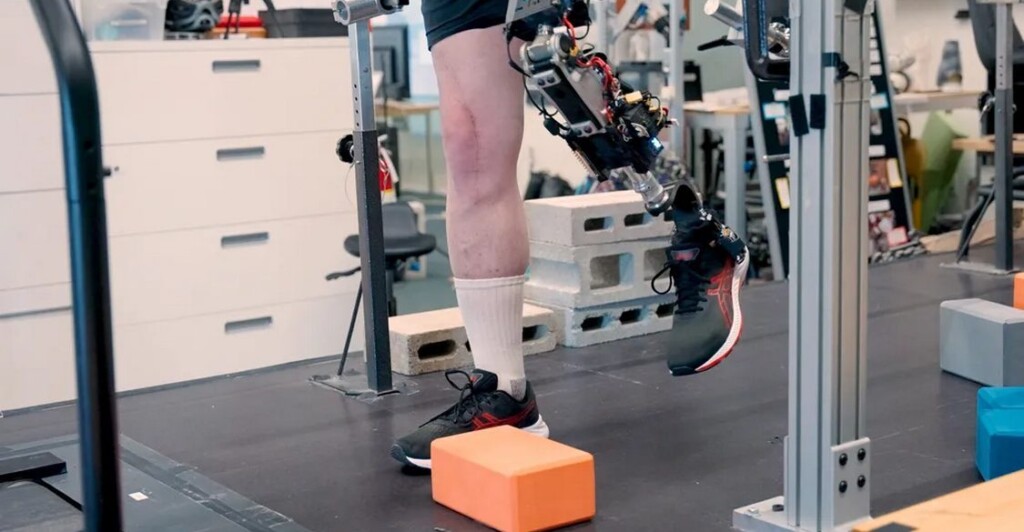
Imagine wearing a prosthetic that feels so much like a natural part of your body that you hardly notice it’s there. This dream is becoming a reality, thanks to years of dedication and innovation from researchers at MIT. Their latest invention, a multi-layered lower-leg prosthesis, is revolutionizing how amputees experience mobility and comfort.
What sets this prosthetic apart is its unique construction, which comprises three essential layers. The first layer restores the push-pull function of muscles for above-the-knee amputees by integrating severed tissue directly into the device. This innovative connection not only allows for greater muscle control but also enhances body awareness, a phenomenon known as proprioception.
The second layer draws inspiration from the skeletal system. It features a titanium rod that is surgically implanted into the femur, distributing weight more naturally than conventional prosthetics, which often rely on soft tissues that can lead to discomfort and pain. This advanced structure significantly reduces fatigue and boosts mobility, allowing users to move with newfound ease.
Finally, the third layer consists of a robotic limb capable of adapting to advancements in technology over the coming years. This adaptability ensures that users won’t be left behind as new innovations emerge, keeping them connected to the cutting edge of prosthetic technology.
Tests conducted at Massachusetts General Hospital highlighted the impressive performance of this prosthetic. Participants were able to navigate stairs and avoid obstacles with remarkable agility, experiencing a stronger sense of embodiment—feeling that the prosthetic was an inherent part of their body.
“Embodiment is crucial for patient well-being,” explains Tony Shu, the study’s lead author. This sentiment resonates deeply as researchers seek to understand how individuals feel about their prosthetics. Unlike before, they now ask amputees, “How do you feel about your prosthesis?” This simple question opens a door to deeper emotional healing and connection.
Experts not involved in the project have expressed excitement over these advancements, noting how the balance of agency and trust between the user and their prosthetic can influence overall confidence and performance. Similar to athletes overcoming injuries, embracing a prosthetic can empower amputees to reclaim their physicality and excel in ways they perhaps never thought possible.
WATCH the leg in action below…
SHARE This Exciting Technology With Your Friends On Social Media…
If you would like to see similar good news stories click here & Share this to brighten someone’s day.