
In the sun-baked landscapes of America’s Southwest, a dedicated scientist has uncovered a remarkable method for rejuvenating parched regions. Through her innovative work, she transforms lifeless deserts into thriving ecosystems, proving that nature holds the solution to many of our environmental challenges.
Meet Laura Norman, a passionate scientist with over two decades of experience studying dryland water systems. In her pursuit of solutions, she stumbled upon a simple yet powerful concept known as Natural Infrastructure in Dryland Streams, or NIDS.
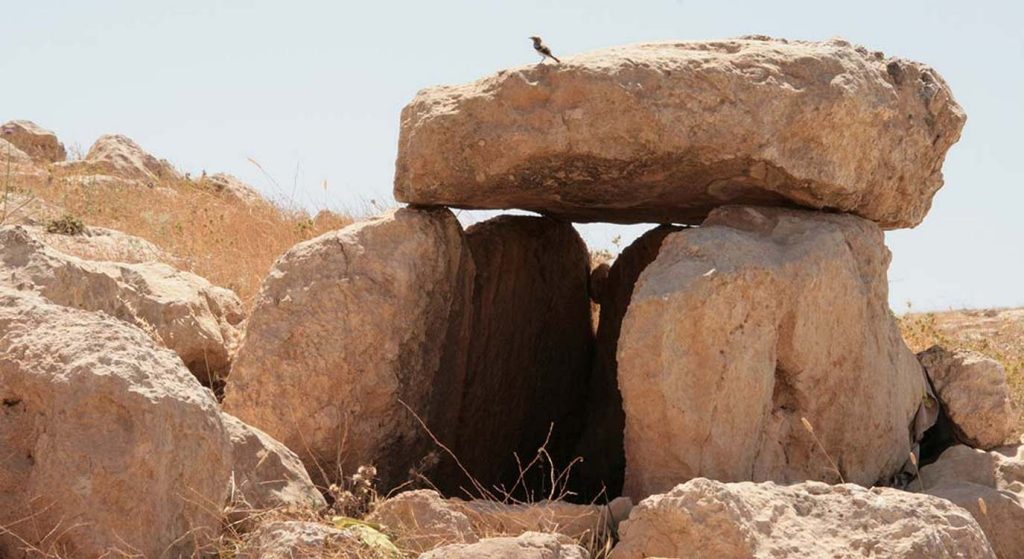
What does NIDS entail? It revolves around using natural materials like stones and logs to slow down the flow of water in streams. This approach mimics the age-old processes of nature: a mountaintop erosion sends stones cascading down hills, eventually creating natural barriers in streams.
Following nature’s lead, beavers have long used trees to create similar effects, forming ecosystems that thrive around water. However, as agriculture and ranching expanded, the delicate water systems began to falter, leaving many areas dry.
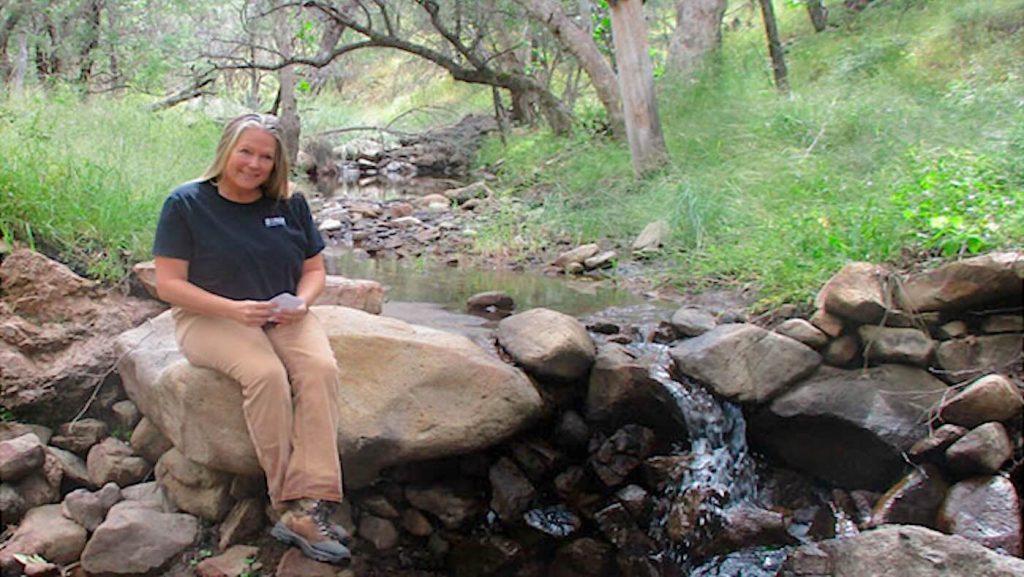
For Laura, the mission became clear. Focusing her efforts in some of the hottest regions of Arizona and New Mexico, she employed NIDS to restore these landscapes. What began as barren patches of land have now transformed into flourishing wetlands, brimming with life.
These NIDS structures don’t obstruct water flow; instead, they create gentle obstacles that slow down rushing water. This small change allows moisture to seep deep into the ground, replenishing vital aquifers that support desert plants. As these plants thrive, they release moisture back into the air, cooling the surroundings and fostering an environment rich in biodiversity.
Laura’s work has proven that NIDS can substantially improve both water quality and the landscape. Structures like check dams and stone cages effectively trap sediment, which nourishes new plant growth. In turn, these vibrant ecosystems further prevent erosion and attract a variety of wildlife.
Her extensive monitoring at a desert wetland in San Bernardino revealed astonishing results: over 27 years, the areas where NIDS was implemented showed remarkable increases in both water levels and vegetation. It became clear that this wasn’t merely a new method; this was a rediscovery of natural wisdom that had been overlooked.
As Laura continues her vital work, she reminds us that the solutions to our environmental challenges often lie just beneath the surface of nature’s complexity, waiting for someone to embrace them. Through her dedication, deserts are not just surviving; they are thriving, and the world is taking notice.
If you would like to see similar good news stories click here & Share this to brighten someone’s day.