

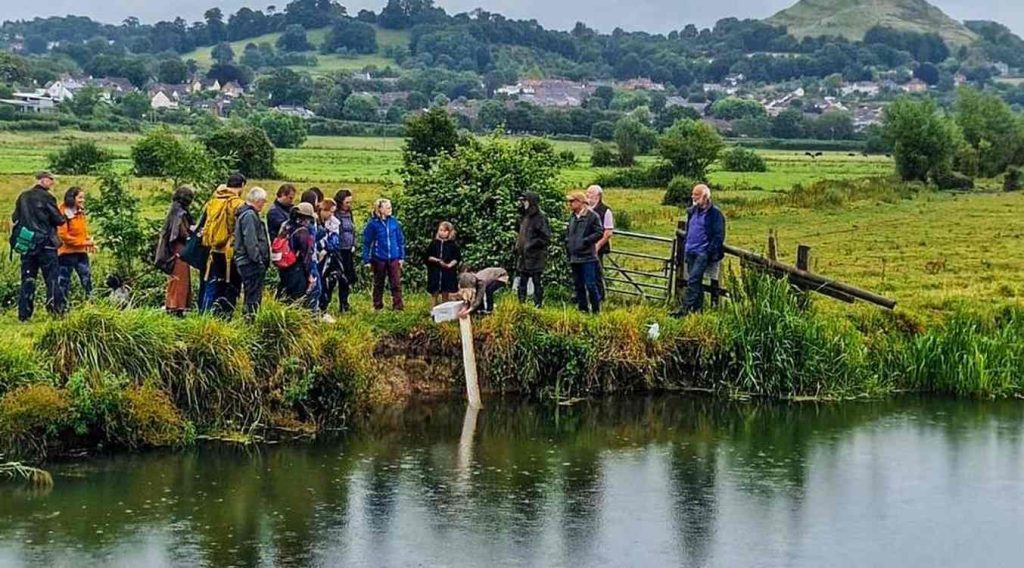
In the beautiful landscapes of southwest England, a remarkable initiative blends ancient lore with modern science to restore a once-thriving species—the European eel. The Somerset Eel Recovery Project not only aims to revive eel populations but also rekindles a cultural connection to nature, bringing communities together in an inspiring effort to protect their local waterways.
In days gone by, the European eel was a vital part of life in Somerset. People would catch them not only for dinner but also to pay their land rents. Eels were celebrated in songs, and even the local geography bore their name—lending a magical quality to the waterways that once brimmed with life.
However, over recent years, the eel population has plummeted, dropping by a staggering 99%. This decline has left a significant mark on local culture and ecosystems. But where many saw a lost cause, a dedicated group of conservationists saw an opportunity for revival. The Somerset Eel Recovery Project has stepped in, determined to restore not just the eel population, but the community’s ties to its heritage.
Vanessa Becker-Hughes, one of the project’s co-founders, shared insights into their unique approach. “We blend science with folklore,” she explained. “Sometimes, we conduct scientific studies; other times, we hold ceremonies blessing the rivers. It’s all about fostering a connection.”
To aid young eels, the team creates straw ropes to help them maneuver over weirs and barriers. But more than that, these initiatives draw attention to the waterways, engaging the local community. People start to notice, count, and ultimately care about their nearby rivers, reconnecting them to the natural world.
To ensure that the history of eels is not forgotten, the project has installed eel aquariums in 60 schools across the county. This hands-on experience allows children to marvel at these fascinating creatures, instilling a sense of responsibility for their local environment.
In the process of conservation, the project employs cutting-edge environmental DNA technology to assess eel populations. By analyzing tiny fragments of DNA found in the water—like urine and skin—the team can gauge how many eels inhabit various locations.
The eels’ significant decline is attributed to obstacles like weirs that disrupt their migration routes, along with harmful parasites affecting their health. But the Somerset Eel Recovery Project is determined to turn the tide. They run a captive breeding program, regularly releasing healthy eel fry back into waterways that have been deemed safe.
With innovative practices, community involvement, and a sprinkle of local folklore, the project is breathing new life into the eel populations of Somerset. Not only are they working to prevent the disappearance of this iconic swimmer, but they are also ensuring that the songs honoring the eels will continue to be sung for generations to come.
SHARE this uplifting story of community and conservation with your friends!
If you would like to see similar good news stories click here & Share this to brighten someone’s day.