

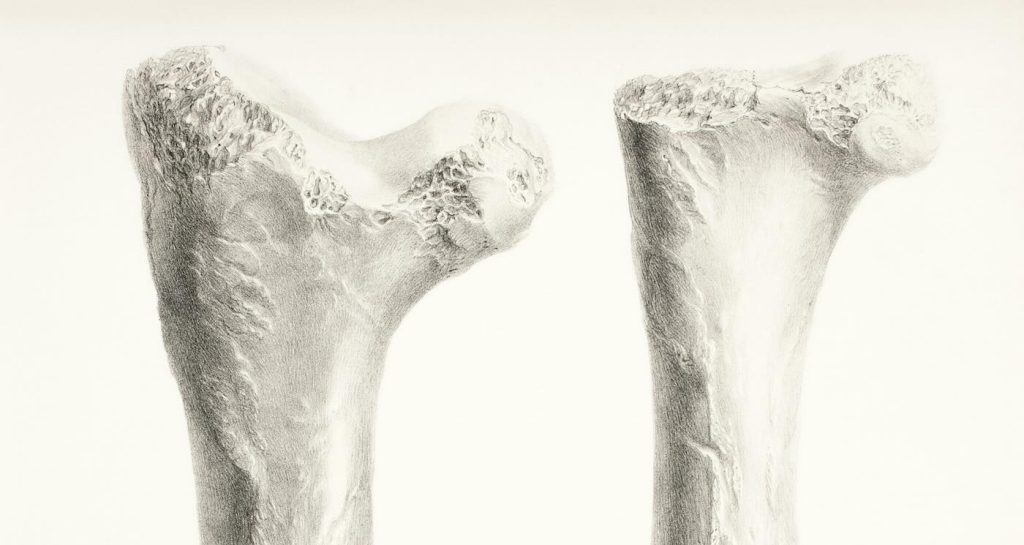
In a world continually evolving in science and healthcare, groundbreaking discoveries shine a light on the hope for better treatments. This story highlights the innovative research being undertaken to tackle osteoporosis, revealing how a tiny receptor’s power could change the lives of millions.
Rescue from Within
For many around the globe, osteoporosis is a silent adversary, undermining health and vitality. With millions affected by this condition, there is a growing urgency to develop effective, long-lasting solutions to combat bone loss.
At Leipzig University in Germany, a team of dedicated scientists is breaking new ground. They recently uncovered the crucial role of a receptor known as GPR133 in the function of our bones. Professor Ines Liebscher, the lead investigator, explains, “When this receptor is compromised due to genetic factors, mice exhibit telltale signs of bone density loss, mirroring what many experience with osteoporosis.”
In a remarkable experiment, the researchers utilized a substance called AP503, which stimulates GPR133. The results were stunning; both healthy and osteoporotic mice showed significant increases in bone strength. It was as if the team had discovered a hidden strength within these creatures, like unlocking a door to resilience.
GPR133 works by responding to mechanical stress from surrounding bone cells. By activating this receptor, a cascade of signals is triggered, which encourages the production of bone-forming cells, known as osteoblasts, while inhibiting bone-resorbing cells, or osteoclasts. The outcome? Bones that are not just stronger but more resilient.
A Bright Future
Looking ahead, the implications are profound. This discovery could not only assist women facing osteoporosis during menopause but also strengthen healthy bones in the general population. Imagine a future where something as simple as a receptor could enhance life quality as we age.
Interestingly, this isn’t the team’s first breakthrough. Earlier research indicated that activating AP503 not only reinforces bone but also solidifies skeletal muscle. Dr. Juliane Lehmann, a key participant in the study, expresses her enthusiasm, stating, “The parallel strengthening of bone emphasizes the immense potential this receptor holds for our aging population.”
With ongoing projects dedicated to exploring GPR133 further, the Leipzig team is determined to unearth more about how this tiny receptor can make a monumental difference in our lives. As science continues to march forward, the future for those suffering from osteoporosis looks not just brighter, but more hopeful than ever.
If you would like to see similar good news stories click here & Share this to brighten someone’s day.


