

Imagine discovering a piece of history that reshapes our understanding of the Earth’s past! This enchanting tale unfolds in the Canadian Arctic, where an extraordinary fossil of an ancient rhino was uncovered. Not only does it provide insights into evolution, but it also connects us with the cultural heritage of the local Inuit community.
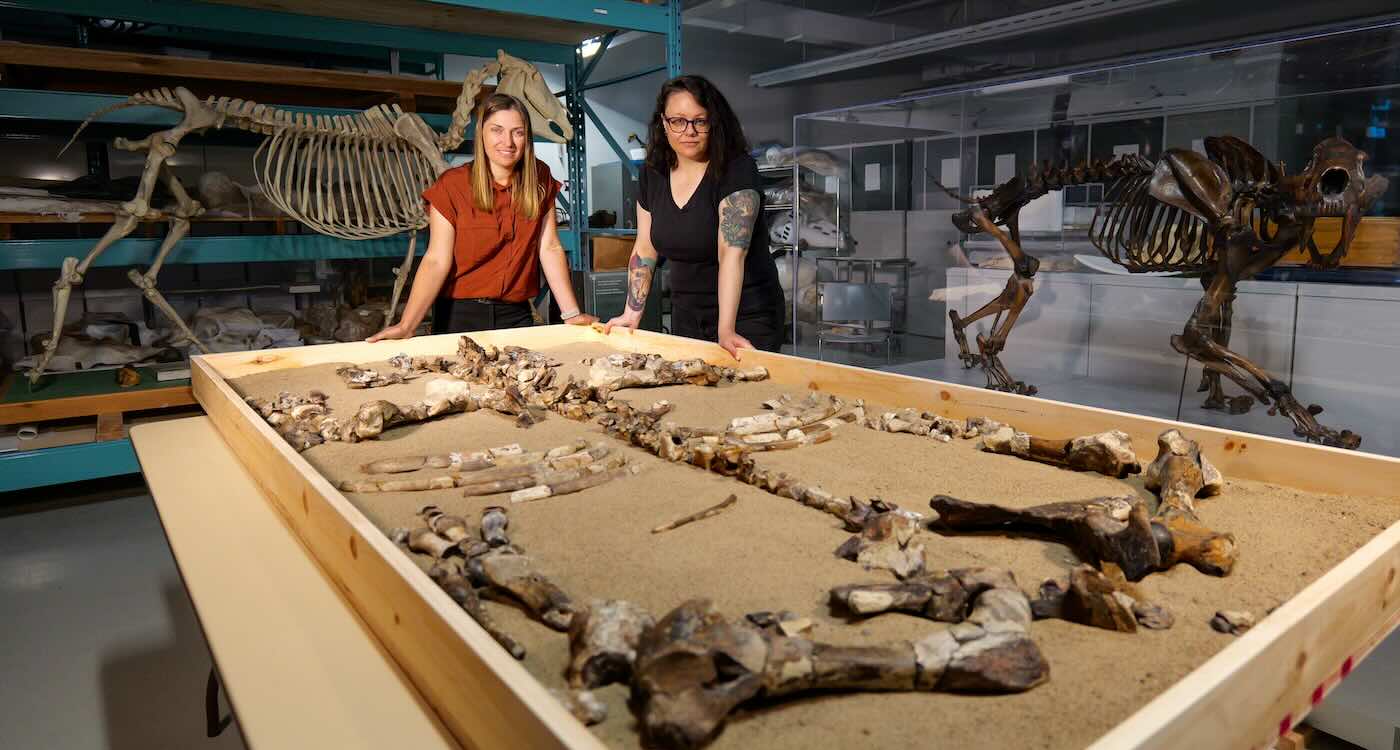
Millions of years ago, a unique species of rhino roamed the Arctic, a stunning discovery recently made in the fossil-rich layers of Haughton Crater on Devon Island. This ancient creature, dubbed Epiaceratherium itjilik, existed 23 million years ago during the Early Miocene period, showcasing a fascinating chapter in Earth’s history.
Dr. Danielle Fraser, a leading paleobiologist at the Canadian Museum of Nature, highlights how this remarkable find helps us grasp the rich evolutionary tapestry of rhinos. “The Arctic offers new truths about how mammals diversified,” she notes, emphasizing the importance of the region in unraveling ancient mysteries.
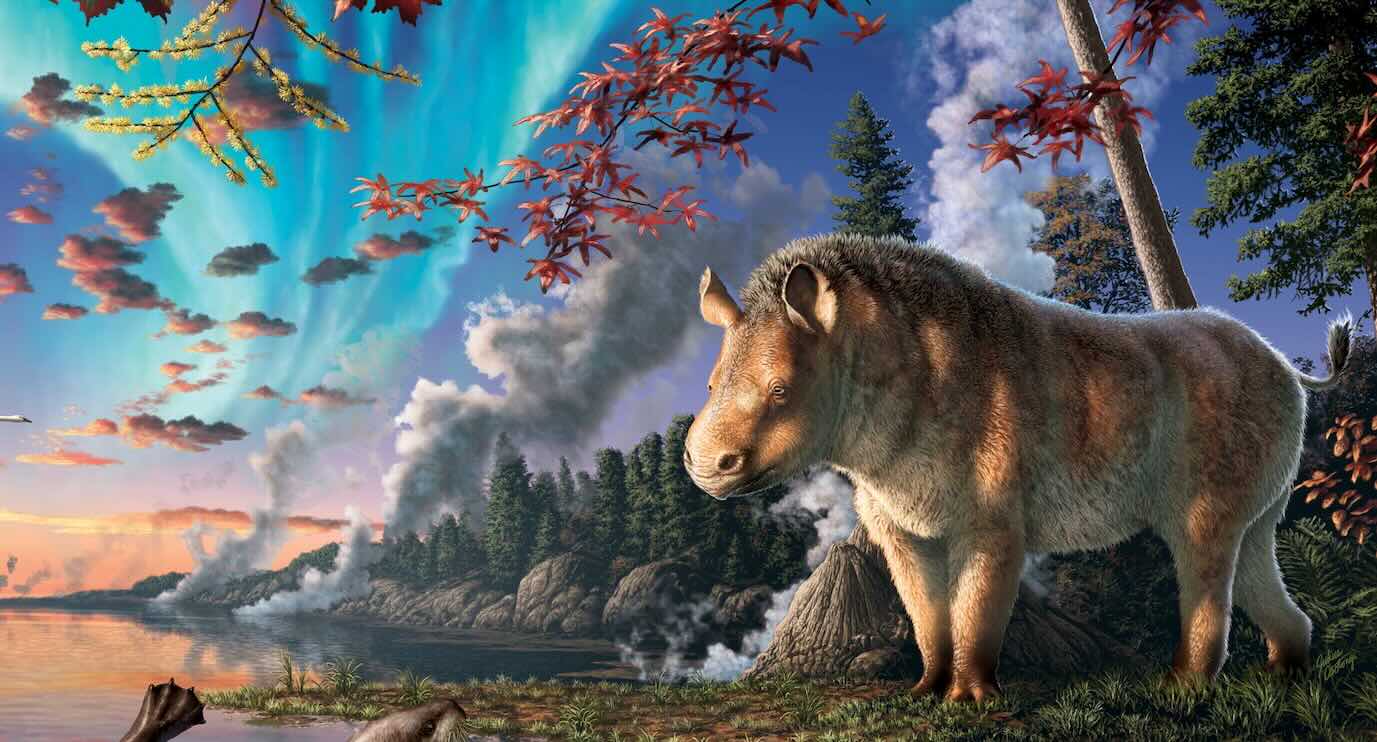
What’s more, the research reveals that this gentle being was relatively small, likened in size to today’s Indian rhinoceros, yet intriguingly did not possess a horn. The name Epiaceratherium itjilik pays homage to its Arctic abode, a thoughtful gesture supported by the consultations with Jarloo Kiguktak, an Inuit Elder from the northernmost community in Canada.
Generations of scientists have contributed to the discovery of this treasure. Dr. Mary Dawson, a pioneer in Arctic paleontology, played a crucial role in collecting the bones, revealing that about 75% of the skeleton was unearthed, an impressive completeness for fossilized remains. “It’s incredible how well-preserved these bones are,” remarks a senior researcher, further underscoring the significance of this find.
This exploration goes beyond mere biology; it paints a broader picture of the creature’s migratory patterns through ancient landscapes. The study highlights that these majestic beings traveled across land bridges that connected Europe and North America, shifting our understanding of how species spread across continents over millions of years.
In a world constantly changing, the Arctic remains a wellspring of revelations, continually inviting exploration and connection to our shared history. The Epiaceratherium itjilik now resides in the Canadian Museum of Nature in Ottawa, where it awaits curious minds eager to learn about the ancient past.
SHARE WITH RHINO LOVERS On Social Media…
If you would like to see similar good news stories click here & Share this to brighten someone’s day.