

In a delightful twist of nature, a team of scientists recently unveiled a charming new bee species, complete with striking features and an inspiring backstory. The extraordinary Megachile lucifer not only enriches our understanding of biodiversity but also serves as a reminder of the importance of conservation.
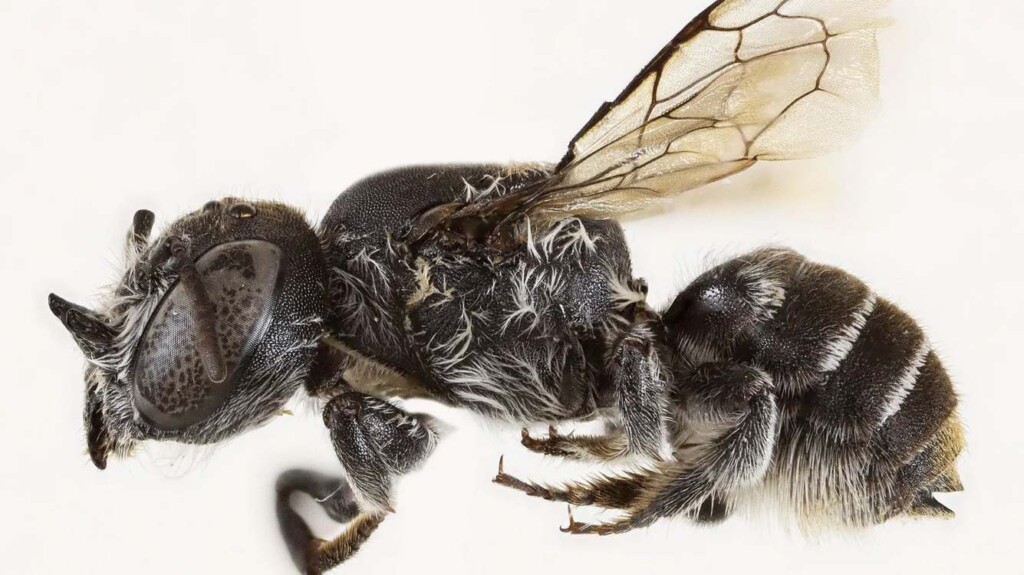
Introducing Megachile lucifer, a fascinating solitary bee recently discovered in the enchanting Goldfields region of Western Australia. This new species, distinguished by its unique, devil-like horns, was cataloged during a research team’s inspection of a striking wildflower habitat.
What makes this discovery even more special? It’s the first addition to the Megachile genus in two decades! The bee resides in the Bremer Ranges, an area rich in wildlife and biodiversity, highlighting the need for enhanced habitat protections.
Dr. Kit Prendergast, a passionate researcher from Curtin University, stumbled upon the bee while indulging in a Netflix binge. “I was watching Lucifer while writing up the description,” she shares with a smile. “The name just felt like a perfect fit!”
These intriguing horns on the female bees might serve dual purposes: reaching for pollen or protecting against threats. Their full classification was officially published in the Journal of Hymenoptera Research.
The region where this charming insect was found isn’t just home to the Megachile lucifer. It also hosts rare wildflowers, which are vulnerable to environmental changes like climate disruption. Dr. Prendergast emphasizes this connection, advocating for the area to be formally designated as conservation land.
Australia, with its abundant natural habitats, is a beacon for beekeeping and pollinator protection, home to nearly 2 million people who appreciate its unique wildlife.
“Both the new bee species and the endangered wildflower share this fragile habitat,” Dr. Prendergast explains. “If we don’t act, both could face dire consequences from habitat disturbance.”
Solitary bees like Megachile lucifer are crucial for pollinating wild plants, with over 1,500 species in their genus alone. As we share this story, let’s also raise awareness about these dedicated pollinators and the delicate ecosystems they support.
Spread the Buzz! Share the wonder of this new bee and its whimsical horns with your friends and family. Together, we can protect our planet’s hidden treasures.
If you would like to see similar good news stories click here & Share this to brighten someone’s day.


