
Nature has a remarkable way of healing over time, and sometimes, our efforts to protect it bear fruit in the most beautiful ways. In a heartwarming development for wildlife enthusiasts, leopards have made a long-awaited return to the west coast of South Africa after nearly two centuries! This story highlights a collective effort in conservation that reaffirmed the importance of collaboration and dedication to restoring nature’s balance.
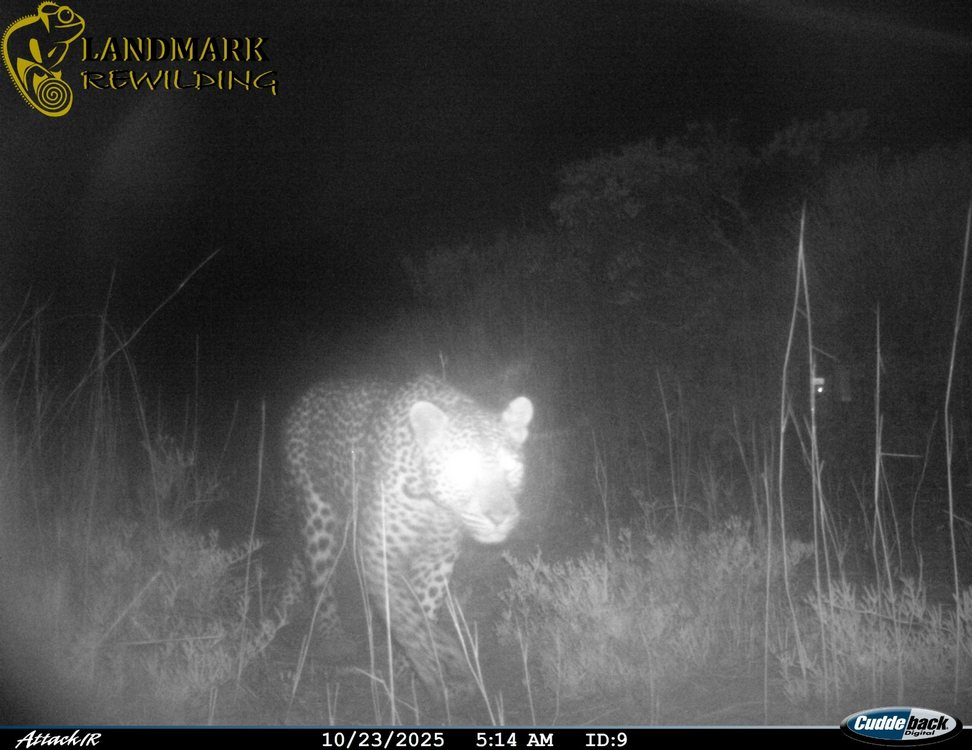
For an incredible 170 years, the west coast of South Africa had been devoid of leopard sightings, stirring a sense of loss among conservationists and nature lovers. However, hope blossomed recently when South Africa National Parks (SANparks) revealed a stunning camera trap photograph capturing a leopard within West Coast National Park. This remarkable sighting marks a pivotal moment in conservation history, illustrating how efforts to rewild an area can restore its natural inhabitants.
The species, known scientifically as Panthera pardus, was previously classified as Vulnerable by the IUCN. Leopards had vanished from this region by the mid-1800s, a consequence of habitat loss and hunting. But after years of concerted efforts from many dedicated groups, the elusive predator has begun to reclaim its territory.
This extraordinary comeback is the result of teamwork. Various stakeholders—including SANparks, local landowners, the University of the Western Cape, and local government—joined forces with two conservation initiatives, the Landmark Leopard and Predator Project. Over the past two decades, these organizations focused on monitoring the habitats between Cape Town and the Berg River, enhancing wildlife corridors to safely connect fragmented landscapes.
In addition to habitat restoration, an important shift has occurred in focusing on human-wildlife coexistence. This progressive approach has allowed leopards and other wildlife to navigate the landscape more freely, creating a harmonious balance between nature and human development.
“These efforts have allowed wildlife like leopards to move more freely and safely through the landscape,” noted SANparks spokesperson JP Louw. The return of these majestic creatures to West Coast National Park underlines how successful long-term conservation partnerships can be.
Across the border in Zambia, exciting reports emerge from Kafue National Park, where conservation group Panthera has observed a tripling of leopard populations. Covering a staggering 22,700 square miles, Kafue forms part of the Greater Kafue Ecosystem, a range of protected landscapes larger than many national parks. Even though it faces challenges, there is immense potential for wildlife to flourish once again.
“The recovery journey has just begun, but there’s a renewed sense of vitality and opportunity for wildlife in these regions,” said Jon Ayers, Board Chairman of Panthera. His words resonate with hope, reminding us of the beauty and resilience of nature.
This exciting news reminds us that through cooperation, patience, and a deep respect for our environment, we can make a world of difference. Let’s celebrate the long-awaited return of the leopard to the western Cape, a true testament to the positive impacts of conservation efforts worldwide!
If you would like to see similar good news stories click here & Share this to brighten someone’s day.