
In a delightful discovery that connects us to our past, archaeologists in Sicily unearthed a stunning mosaic that casts a new light on the history of fashion. This colorful artwork not only encapsulates the artistry of ancient Rome but also reveals the unexpected origins of a modern staple: flip-flops.
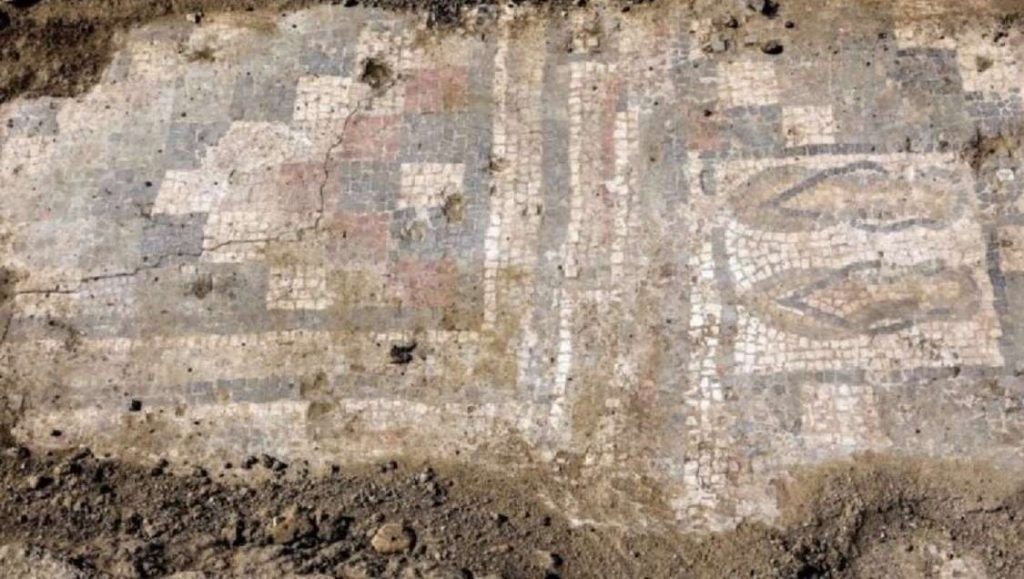
Imagine stepping back in time to a grand Roman villa, where elegance and leisure flourished. Recent excavations at the Villa Romana del Casale have revealed a remarkable mosaic at the bottom of a bathing pool. This stunning artwork, dating back an impressive 1,600 years, features designs that strikingly resemble our beloved flip-flops.
As it turns out, these fashionable foot coverings weren’t just a modern invention by brands like Havianas. During the late imperial period, they were a staple in Roman bathhouses. The mosaic was discovered by Isabella Baldini, an archaeologist from the University of Bologna, during the fourth edition of the Summer Series ARCHlab, which brings enthusiastic students from 11 different countries to explore and work in Italy.
The Villa Romana del Casale, nestled in the heart of Sicily, is a UNESCO World Heritage Site renowned for its breathtaking mosaics. These artworks adorn nearly every room, showcasing the villa’s luxury in an era where comfort and beauty intertwined. The flip-flops were found in the frigidarium, a cold room typical of these extravagant bathing complexes. Initially thought to be the property of royalty, it is now recognized as belonging to a wealthy citizen who enjoyed the finest amenities, including a massage room, lavatory, and gymnasium known for its iconic “bikini girls” mosaic.
The mosaics were not merely decorative; they served as visual narratives that communicated the function and ambiance of each space. In the massage room, for example, an athletic figure receives an attentive oil massage—an illustration of relaxation and indulgence.
What’s particularly fascinating is how the placement of the sandals echoes modern gym policies of avoiding bare feet in pools—a testament to the timelessness of human habits. Of course, this wasn’t the only time such sandals have graced the artistic landscape of Roman baths. According to Baldini, depictions of flip-flops have been found across various regions, painting a broader picture of their cultural significance in late Roman life.
And this isn’t the first time something curiously familiar has been discovered in ancient sites. Just last year, a fresco from Pompeii featured a banquet laden with what can only be described as recognizable Italian dishes.
Thus, as we marvel at this enchanting mosaic, we find a thread connecting us across centuries—a reminder that while styles may evolve, our appreciation for comfort and beauty endures, allowing us to share a whimsical connection with our ancestors.
If you would like to see similar good news stories click here & Share this to brighten someone’s day.