

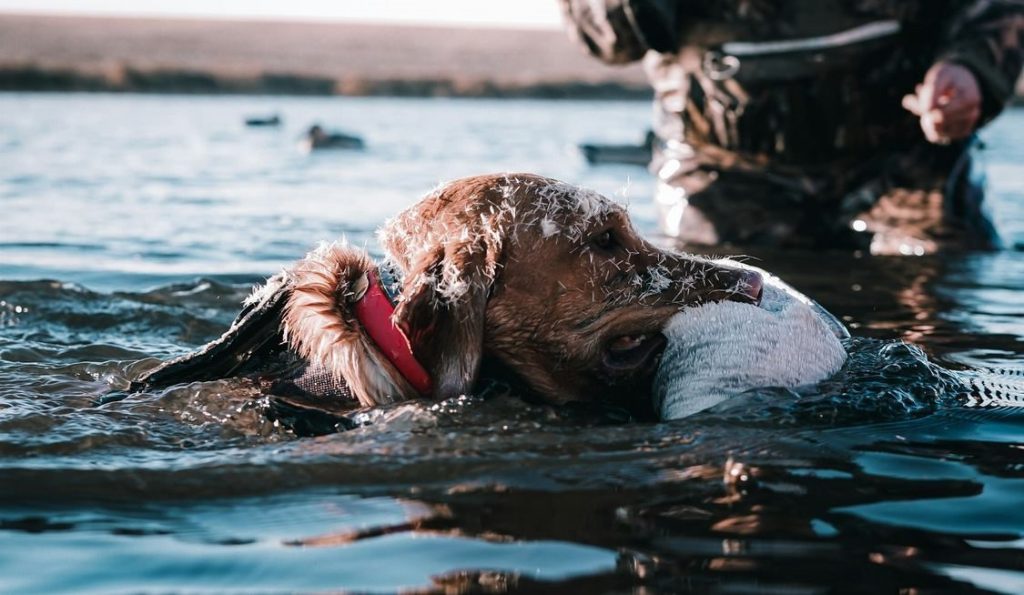
Imagine a world where nature thrives and wildlife flourishes. That’s the vision taking shape in the UK, where a landmark decision promises to protect vibrant bird populations and restore the delicate balance of our ecosystems. This is a story of hope, change, and the shared commitment to a healthier planet.
In an inspiring move for both the environment and community well-being, the UK’s Environment Ministry has announced a significant step toward banning lead ammunition entirely. This decision, set to take effect by 2029, aims to safeguard vulnerable bird species from the damaging effects of lead poisoning.
Research by global health authorities has made it clear: lead exposure poses serious health risks, not just for humans but also for wildlife. Lead shotgun pellets and small-caliber ammunition have emerged as persistent poisons, especially for waterfowl, adding urgency to the need for change.
Reflecting on similar successful initiatives, California took steps to phase out lead ammunition in 2008, protecting species like the California condor from lead toxicity. Despite not being scavengers, waterfowl face similar dangers, often mistaking lead shot for the small stones they ingest to aid digestion.
The forthcoming ban, which begins its rollout in 2026 and fully implements by 2029, restricts the use of any shots containing more than 1% lead and bullets with over 3% lead. Environment Minister Emma Hardy emphasized the need for urgency, opting for a quicker transition than initially proposed by the UK’s Health and Safety Executive.
“Britain is a proud nation of nature lovers, but our rivers are polluted, and iconic birds are declining. This ban will help reverse that, protecting birdlife and restoring our countryside,” Hardy stated, highlighting the importance of protecting the natural heritage of the UK.
In the spirit of conservation, alternative materials like steel, copper, tungsten, and bismuth will replace lead in ammunition without a noticeable difference in performance for hunters. Exemptions will remain for law enforcement and military applications where alternative options are limited.
According to the Wildfowl and Wetlands Trust (WWT), approximately 100,000 birds suffer and die in the UK each year from lead poisoning. Previous voluntary efforts to mitigate lead exposure have been insufficient, underscoring the necessity for this decisive action.
The WWT hailed the decision as a significant victory for wildlife, while the Royal Society for the Protection of Birds described it as “long overdue.” Collectively, this renewed commitment to environmental stewardship signals a bright future for wildlife in the UK.
SHARE this heartwarming story with your friends and spread the joy of nature conservation!
If you would like to see similar good news stories click here & Share this to brighten someone’s day.