

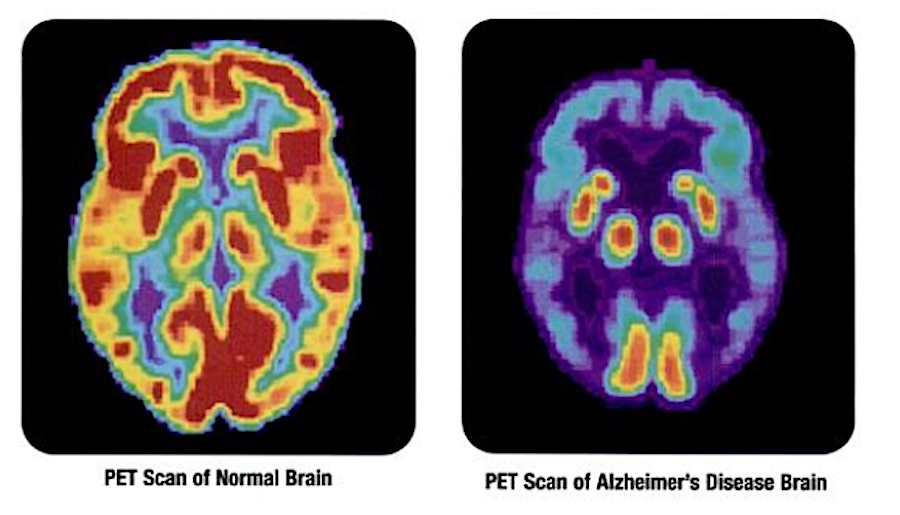
In the journey to understand Alzheimer’s, breakthroughs often emerge from unexpected corners of science. This heartwarming story highlights the exciting role of a humble protein, midkine, and its surprising ability to protect against a leading cause of dementia. Join us as we explore this remarkable discovery that could offer hope for millions.
At St. Jude Children’s Research Hospital, scientists have taken a significant step in the fight against Alzheimer’s disease. For the first time, they discovered that midkine, a small yet powerful protein, plays a protective role against the devastating effects of this condition.
Traditionally, Alzheimer’s research has focused on amyloid beta proteins, notorious for forming clumps in the brains of affected individuals. These sticky clusters are believed to contribute to the deterioration of neurons, leading to the cognitive decline associated with Alzheimer’s. However, researchers have recently turned their attention to midkine, a protein that, surprisingly, accumulates alongside amyloid beta but appears to offer a protective shield instead of exacerbating the problem.
Midkine is typically involved in cell growth during embryonic development but is also found in increased levels in various cancers. While researchers had observed its presence in Alzheimer’s patients, its exact function in this context remained a mystery—until now.
In a groundbreaking study published in *Nature Structural & Molecular Biology*, a team led by Junmin Peng began to unravel the complexities of midkine’s interactions with amyloid beta. Using innovative fluorescence techniques, they sought to determine whether midkine was a true ally in the fight against the disease or merely a bystander.
The results were promising. The research showed that midkine not only inhibits the growth of amyloid beta assemblies but also prevents further clumping—a critical moment in the development of Alzheimer’s pathology. This revelation could mark a turning point in how we understand and potentially treat this disease.
One of the most compelling experiments involved mice engineered to lack midkine. These mice exhibited significantly higher levels of amyloid beta, reinforcing the notion that midkine does indeed play a guardian role against Alzheimer’s.
“We want to continue to understand how this protein binds to amyloid beta,” said Peng, emphasizing their eagerness to design small, effective molecules that could mimic midkine’s protective properties. “With this work, we hope to provide strategies for future treatment.”
This exciting development opens new pathways to explore in the quest for Alzheimer’s remedies, offering hope not only to patients but also to their families. As researchers work tirelessly to deepen our understanding of these complex mechanisms, the journey to transform this knowledge into effective treatments remains both challenging and inspiring.
Let’s share this remarkable progress in science and spread the hope that a brighter future may be within reach for those affected by Alzheimer’s.
If you would like to see similar good news stories click here & Share this to brighten someone’s day.