

In the realm of innovation, few stories shine as brightly as the journey of graphene—a material that’s poised to transform technology as we know it. Join us as we explore the exciting breakthroughs and challenges faced by dedicated researchers and entrepreneurs striving to unlock the true potential of this remarkable substance.
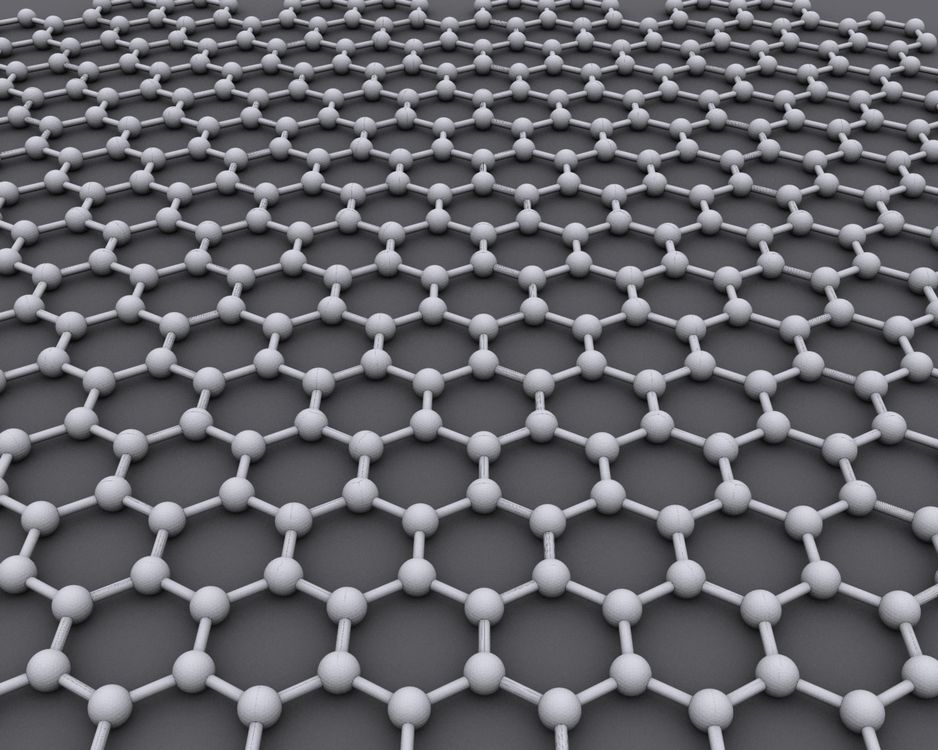
Graphene, a fascinating layer of carbon atoms arranged in a two-dimensional lattice, has been heralded as a game-changer in various industries. Originating from graphite, this “super material” was initially thought to offer an incredible array of possibilities—from faster electronics to more efficient batteries.
Fast forward to today, and we’re on the cusp of realizing these dreams thanks to innovative startups like 2D Photonics. Founded by the visionary Ben Jensen, this company has emerged from the University of Cambridge and is now making serious strides in bringing graphene microprocessors to life.
What makes graphene so special? Think about this: these chips can transmit data more rapidly than traditional silicon-based processors and at a fraction of the energy costs. They endure a wider range of temperatures and consume about 80% less energy. Sounds too good to be true, right?
Jensen himself has faced challenges along this journey. In an interview, he reflected on the initial hype surrounding graphene and the hurdles of transforming an academic concept into a practical, scalable product. “The transition from ‘lab to fab’ is not easy; it’s about manufacturing at scale while still ensuring the final product meets market expectations,” he explained.
Moreover, not every company has weathered these obstacles. For instance, Bayer recently pulled the plug on a manufacturing plant intended to create carbon nanotubes, a product derived from graphene. Interestingly, Jensen previously pioneered the extraordinary Vantablack, a material so black it absorbs 99.96% of light. It’s been prominently used in art and even adorned BMW cars!
Today, 2D Photonics is not just a concept; it’s backed by major players like Bosch and Sony, as well as receiving funding from both governmental bodies and NATO. Their ambitious plans include a pilot production facility in Milan, where they’ll manufacture these groundbreaking chips for diverse applications—from military radar systems to 6G communication platforms.
But the exciting developments don’t stop there! Another Cambridge-based company, Paragraf, is making waves with its graphene-based sensors that have vast applications in biomedical science, automotive technologies, and more. In fact, they recently drew the interest of the United Arab Emirates’ sovereign wealth fund, which acquired a stake in their innovative solutions.
Meanwhile, over in the United States, Nanotech Energy is introducing cutting-edge graphene-infused lithium-ion batteries that charge at lightning speed and are even bulletproof. Their production facility is producing thousands of these high-performance batteries daily, with expansions planned to incorporate graphene-reinforced concrete into their offerings.
This blend of innovation and creativity illustrates the vast potential of graphene in redefining our interaction with technology. Just as Silicon Valley revolutionized the tech landscape, the ripple effect of graphene could usher in a new era—perhaps even a “Graphenocene.” The future of this remarkable material looks brighter than ever!
SHARE the excitement about graphene and its incredible journey worldwide!
If you would like to see similar good news stories click here & Share this to brighten someone’s day.