

In a world where our oceans face numerous challenges, sea turtles symbolize resilience and hope. Their comeback story is not just about survival but also about the powerful impact of conservation and changing attitudes toward nature.
Once on the brink of extinction due to overhunting and habitat destruction, sea turtles are experiencing a remarkable revival thanks to dedicated conservation efforts. Research from scientists at the University and NOAA Fisheries highlights a significant increase in their populations globally. Marine Science Professor Graeme Hays from Deakin University expresses this optimism clearly: “Sea turtles are a shining light of marine conservation.”
By studying all seven species, researchers discovered that many populations are bouncing back. Notably, turtles are nesting more frequently on beaches where protections have been established. For example, efforts to reduce artificial lighting, which can confuse hatchlings as they search for the ocean, have been successful in several areas. Additionally, regional fisheries are implementing measures to prevent the unintentional capture of these magnificent creatures.
These findings, published in Nature Reviews Biodiversity, are pivotal. They offer insights that can help shape fishing practices to ensure safer nesting sites for marine turtles. Jeffrey Seminoff, a NOAA Fisheries scientist, beautifully summarizes the turtles’ journey: “When I think of sea turtles, resilience comes to mind. Give them a chance, and they will thrive.”
The Value of Turtles Shines Through
One significant aspect of this resurgence is the changing attitude towards sea turtles. Younger generations now view these animals not as commodities to exploit but as vital parts of our marine ecosystems. In some communities, former poachers have transformed their livelihoods by leading eco-tours, allowing visitors to witness nesting turtles in their natural habitat.
Thanks to legislative measures like the Endangered Species Act, which began to take effect in the 1970s, we are now see stronger regulations protecting sea turtles. This has contributed to a decline in the once alarming patterns of decline in species across the globe.
Did You Know? The U.S. Senate recently voted unanimously to safeguard sea turtles and dolphins from driftnets, emphasizing the collective recognition of their importance.
2024 data review from nesting beaches indicates that significant population increases are outpacing declines by a substantial margin. An inspiring 500% increase in green sea turtle egg-laying in the Seychelles exemplifies these positive trends.
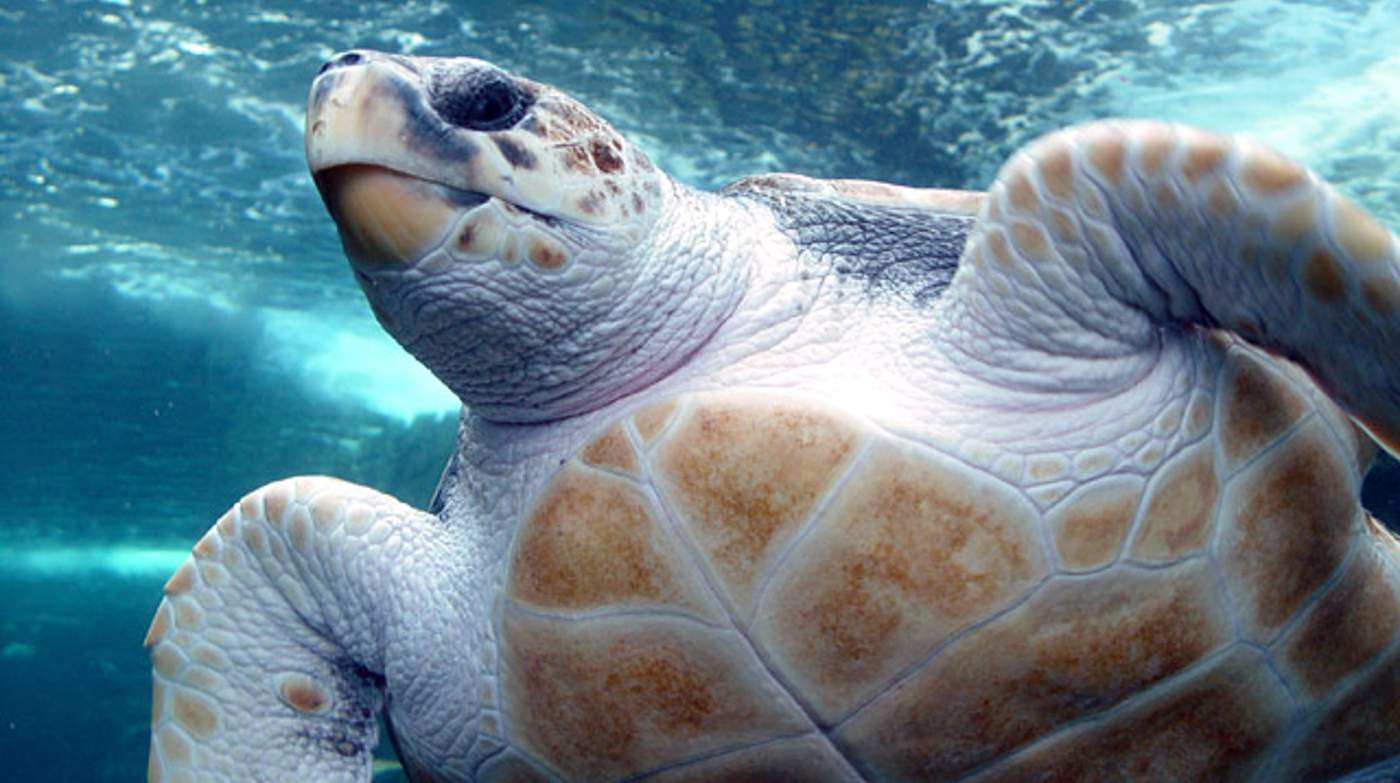
Not only are green sea turtles on the rise, but many other nesting sites, like the largest loggerhead turtle sanctuary in the Mediterranean, are seeing dramatic increases. Cape Verde, for instance, saw its loggerhead nests leap from around 500 to 35,000 within a span of just over a decade.
While some species, including leatherback turtles, still face significant threats, most populations are improving. Climate change may complicate matters, but there’s emerging evidence that loggerheads in the Mediterranean are seeking cooler nesting grounds, adapting to the warmer temperatures.
Turtle Tech Solutions: Innovative technologies, such as decoy GPS eggs, are being utilized to deter poachers and protect these endangered species effectively.
Although challenges remain for certain populations, such as the Pacific leatherbacks, scientists are hopeful. Many turtle species are now better equipped to adapt to environmental changes while continuing to thrive. Seminoff’s closing thoughts resonate with many: “When you stop harming species, they can regain their ecological foothold and reintegrate into our marine ecosystems.”
Share this amazing news with your turtle-loving friends on social media!
If you would like to see similar good news stories click here & Share this to brighten someone’s day.


