
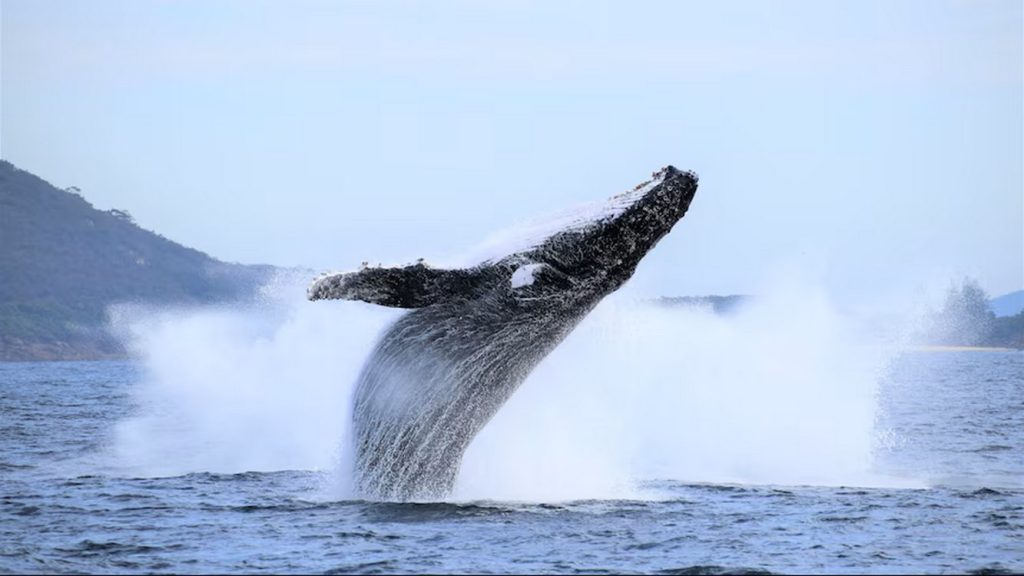
Amidst the enchanting waters of Australia, an incredible tale of resilience unfolds—a tale of the humpback whale. These majestic creatures, once teetering on the brink of extinction, have made a stunning comeback that not only touches our hearts but also reminds us of the importance of conservation and respect for nature.
The waters off the coast of Eastern Australia are now alive with the beautiful songs of humpback whales, a sound that fills the air with hope. Just a few decades ago, these songs were a rarity, drowned out by the dark shadows of commercial whaling that nearly wiped out entire populations. Today, not only have they returned, but estimates suggest their numbers have surpassed pre-whaling counts—what an extraordinary revival!
Back in the 18th century, the sight of humpback whales was a common one. Locals living along the coasts would hear the wonderful songs of these gentle giants flowing through their windows, a stark contrast to the noise complaints of today, which often stem from motorboats or late-night revelry. Imagine living in a time when the ocean’s music was part of daily life!
However, the narrative took a tragic turn when commercial whalers began to target these magnificent creatures for their blubber. The numbers dwindled alarmingly, and by the early 1960s, only a handful—around 150—remained of the once-thriving population of around 30,000. It was a desperate situation that called for urgent action.
In 1963, hope emerged as the International Whaling Commission banned the commercial hunting of humpbacks and other species. This pivotal move allowed the population to start its long, challenging journey back to stability. Conservationists and researchers rolled up their sleeves, dedicating years to studying and monitoring the whales.
Dr. Wally Franklin, a passionate whale researcher and co-founder of the Oceania Project, played a crucial role in this effort. His recent report revealed that the current eastern Australian humpback population now exceeds 50,000 individuals—a magnificent testament to nature’s resilience. “We can confidently say that their recovery is a miracle,” Dr. Franklin noted, highlighting the collaborative effort of about 700 individuals, including enthusiasts and scientists, who contributed data to track these incredible creatures.
Interestingly, the eastern Australian humpbacks are thriving more than some other populations, many of which haven’t regained their numbers since whaling ended. Factors like gestation rates and human activities contribute to these differences. It’s a vivid reminder of the delicate balance within our ecosystems.
Although the numbers are impressive, experts caution that they may not continue to rise indefinitely. The ecosystem has its limits, and currently, it appears to have reached its “carrying capacity,” meaning there might not be enough resources to support even more whales. This fact underscores the need for ongoing care and respect for our oceans.
As we admire the return of these majestic whales, it’s essential to ensure safe interactions with them. If you’re lucky enough to encounter them during a boat tour, remember to observe from a distance, especially if there’s a mother and calf nearby. Allowing them to approach you on their own is the safest and most respectful way to appreciate their beauty.
SHARE This Adventurous Tale of Recovery With Fellow Whale Lovers!
If you would like to see similar good news stories click here & Share this to brighten someone’s day.