

In a groundbreaking leap for vision restoration, a new electronic eye implant combined with augmented reality glasses is bringing light back into the lives of those blinded by untreatable eye conditions. This remarkable journey transforms despair into hope, illuminating paths for countless individuals affected by vision loss.
Imagine waking up every day surrounded by darkness, unable to glimpse the world around you. For many patients suffering from age-related macular degeneration, this was their heartbreaking reality. But thanks to a revolutionary new device known as PRIMA, a flicker of light has emerged.
This innovative technology consists of an ultra-thin microchip implanted in the eye, which works harmoniously with specially designed augmented reality glasses. During a recent clinical trial involving 38 patients across five countries, an astonishing 84% of participants regained the ability to read words and numbers, even when their eyesight had deteriorated to the point of near blindness.
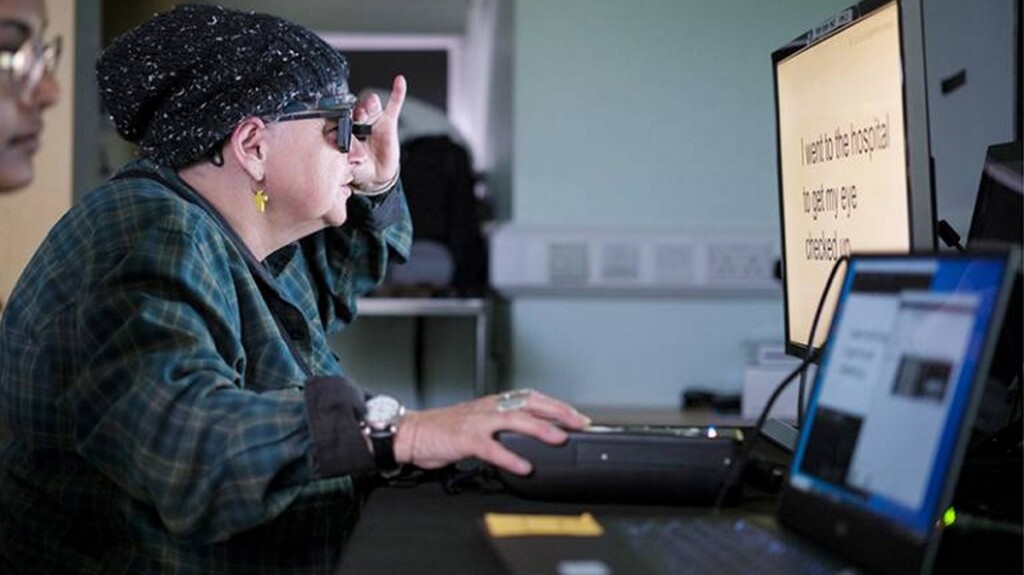
PRIMA’s mechanism is fascinating. The chip captures infrared images from a small video camera mounted on the glasses, translating real-world visuals into electrical signals that the brain can process as actual vision. Patients embark on an intensive rehabilitation process, gradually learning to interpret these new signals, akin to rediscovering the joy of reading after many years of silence.
Mr. Mahi Muqit, an associate professor at University College London’s Institute of Ophthalmology, described this innovation as a new era for artificial vision. He emphasized that “blind patients are actually able to have meaningful central vision restoration,” a feat previously deemed impossible.
This ground-breaking treatment holds special significance for individuals like Sheila Irvine, one of the trial participants. Before receiving the implant, Sheila faced a world of darkness, devoid of the vibrant stories she once cherished as an avid reader. “It felt like having two black discs in my eyes,” she recalled. Yet her curiosity to help future generations led her to participate in the trial.
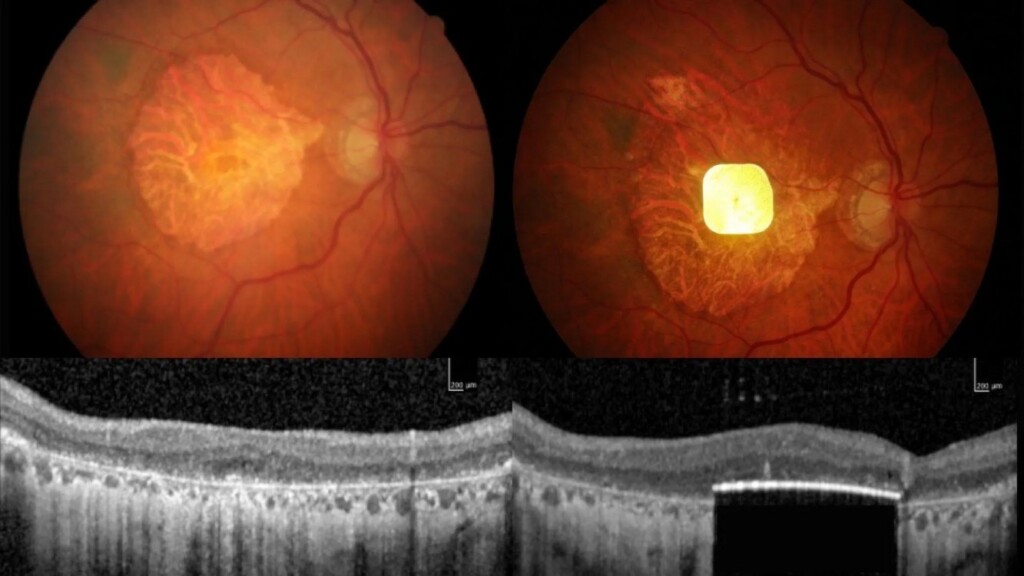
The procedure itself requires precision; the ultra-thin chip, resembling a SIM card, is inserted into the eye during a vitrectomy. According to the trial’s findings, participants experienced no significant decline in their existing peripheral vision, paving the way for the potential market release of this innovative device.
Sheila’s journey showcases the ups and downs of learning to read once more. “I was nervous but excited,” she shared. “When I first saw a letter, it was exhilarating. Though it’s not an easy task, every hour I practice, I see improvements.” Her determination to overcome the challenges ahead highlights a broader message of resilience and hope.
The global clinical trial, led by Dr. Frank Holz of the University of Bonn, emphasizes a collective ambition to restore sight to those affected by various eye conditions. As Mr. Muqit stated, this technology could potentially pave the way for treatments that address other eye disorders, shining a light on a future brimming with possibilities.
SHARE this inspiring journey of hope and innovation for Sheila and many others, as the PRIMA eye implant spreads its wings in the world of medical breakthroughs!
If you would like to see similar good news stories click here & Share this to brighten someone’s day.