

Deep within the hills of Jordan, a remarkable discovery unfolds, telling the story of how ancient societies adapted to profound changes around them. This captivating tale of resilience and transformation showcases the unexpected ways in which our ancestors marked their lives and afterlives, creating connections that transcend time.
As civilization took its first tentative steps, the region we now know as Jordan was transforming from simple agricultural living to remarkable communal rituals focused on the afterlife. Archaeologists from the University of Copenhagen, after a decade of careful excavation, revealed a series of ancient structures that illuminate this shift.
The site, named Murayghat, rests on a plateau approximately 120 miles from Aqaba. It dates back to a pivotal era known as the Chalcolithic, which thrived between 4500 and 3500 BCE. During this dynamic time, people created small domestic spaces filled with rich symbolism, copper artifacts, and rudimentary shrines. These initial settlements, however, were soon reshaped in response to climate changes that led to widespread drought and a shift in social structures.
As communities faced challenges, the past traditions and values began to slip away, replaced by new ways to cope with uncertainties. Amidst the upheaval, the unearthed evidence highlighted a surge in communal gatherings and shared remembrance rather than focus solely on individual household symbols. Burial sites became increasingly disturbed, reflecting the social and emotional turmoil of the time—a poignant reminder that even the most sacred places were not immune to the tides of change.
“People had to find mechanisms to deal with a situation in which the traditional values and patterns of behavior no longer worked,” the researchers noted in their comprehensive study. This sense of crisis demanded innovative strategies for living, dying, and ultimately remembering. As funerary customs evolved, monumental structures emerged, often devoid of traditional hearths or roofs, hinting at their ceremonial roles rather than everyday utility.
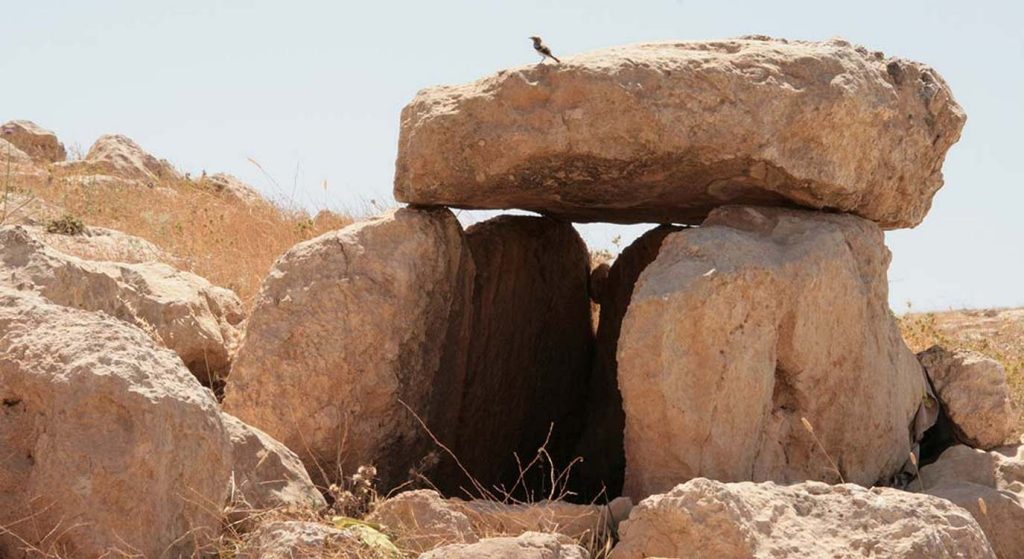
In total, archaeologists documented over 95 dolmens—burial structures that celebrated the deceased even as they adapted their rituals to reflect new communal values. The environment and discoveries suggest that these distinct monuments may have served as gathering spots for different groups, uniting people through feasting and shared experiences.
Where once personalized items like small copper trinkets adorned homes, larger communal vessels for gatherings took their place, embodying the spirit of unity in adversity. Researchers believe that these shifts point to a meaningful reorganization of social dynamics that spoke to the community’s necessity for connection during times of crisis.
Murayghat towers majestically over the landscape, resembling a natural amphitheater where memories were woven into the fabric of society. Archaeologists suggest that this may have been a gathering place—where diverse communities converged to celebrate life, share stories, and honor the departed.
“Murayghat gives us, we believe, fascinating new insights into how early societies coped with disruption by building monuments, redefining social roles, and creating new forms of community,” remarked Susanne Kerner, the project lead. Thanks to this exhaustive project, we are offered a glimpse into the resilience and creativity of our ancestors, who faced an ever-changing world with courage and innovation.
In the heart of these ancient stones, we find echoes of humanity’s enduring quest for connection and meaning—a reminder that even in the face of uncertainty, the spirit of community can triumph.
SHARE this incredible journey into the past with friends who appreciate the rich tapestry of human history!
If you would like to see similar good news stories click here & Share this to brighten someone’s day.