

Here’s a delightful tale of discovery that not only warms the heart but also highlights the wonders of our ocean life. It’s a reminder that nature has surprises waiting just beneath the surface, and sometimes, a little expertise can lead to incredible breakthroughs.
In the vast, enchanting depths of our oceans, there are still secrets waiting to be unveiled. Enter Dr. Andrea Marshall, a marine biologist whose passion for manta rays has led her on an extraordinary journey of discovery. This is the story of how she identified a brand-new species of manta ray—a feat that not only enriches our understanding of marine life but also tells us that there is always more to explore.
Typically, when the scientific community announces a new species, it’s often something small and obscure. However, this time, it was something grand—a newly discovered species of manta ray, marking just the third known to humanity. These magnificent creatures belong to the Elasmobranchii family, which also includes sharks and skates. Known for their grace and intelligence, they have long been a subject of fascination.
Dr. Marshall, a pioneer in manta ray research, has dedicated over a decade to studying these marine wonders. Her journey began in 2009, when her groundbreaking research revealed that what was once thought to be a single species actually comprised two— the giant oceanic manta (Mobula birostris) and the reef manta (Mobula alfredi). During those years in the water, she meticulously documented every detail of these creatures, developing an innate ability to distinguish between them.
Then came a moment that would change everything. While diving off the coast of Mexico, Dr. Marshall encountered a manta ray that looked entirely different from the two she knew. “I had spent years mastering the nuances of those species. When this manta appeared, I knew instantly that I was witnessing something new,” she recalled with a sparkle in her eyes. The sensation of being on the brink of a significant discovery filled her with excitement and purpose.
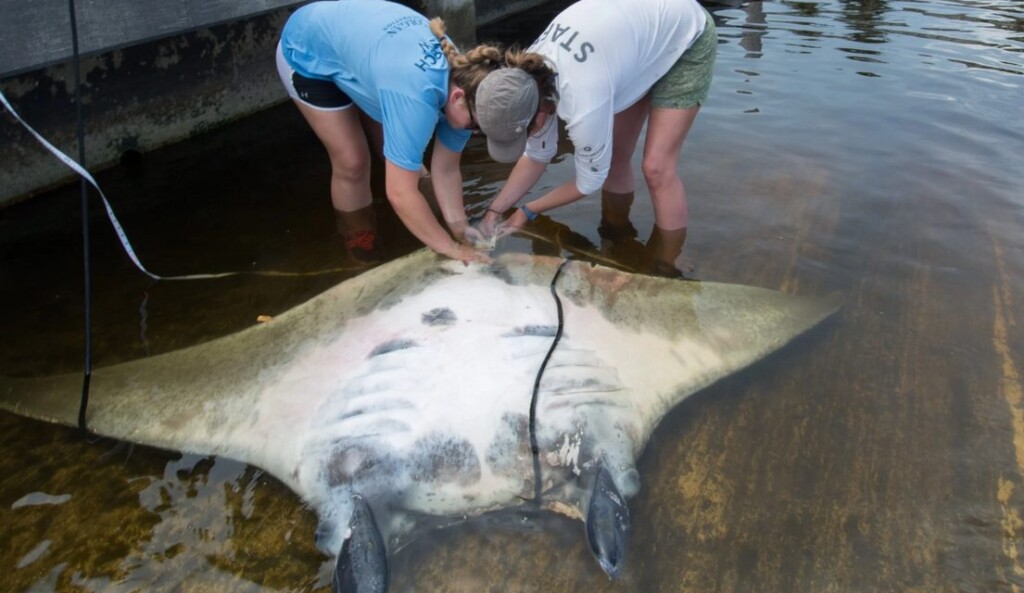
This new species, affectionately named Mobula yarae after a mermaid-like figure from Brazilian folklore, can grow impressively—between 16 to 20 feet in length! Yet, so far, Dr. Marshall and her colleagues have only spotted juvenile rays. Her research spanned from 2010 to 2017, where still images captured the unique features of this elusive manta. A pivotal moment arrived when a deceased manta washed ashore, finally providing genetic evidence confirming its unique lineage.
In a study published in the journal Environmental Biology of Fishes, Dr. Marshall and her team detailed the distinctive characteristics that set M. yarae apart from its cousins. The new species showcases unique grey wing tips and a robust ‘V’ shape on its shoulders, features that help differentiate it from the other two species.
“Back in 2009, discovering a new species felt like a monumental achievement,” Dr. Marshall recounted, her voice filled with nostalgia. “To think that a few years later, I would dive into those warm waters and encounter yet another new species left me utterly astonished.”
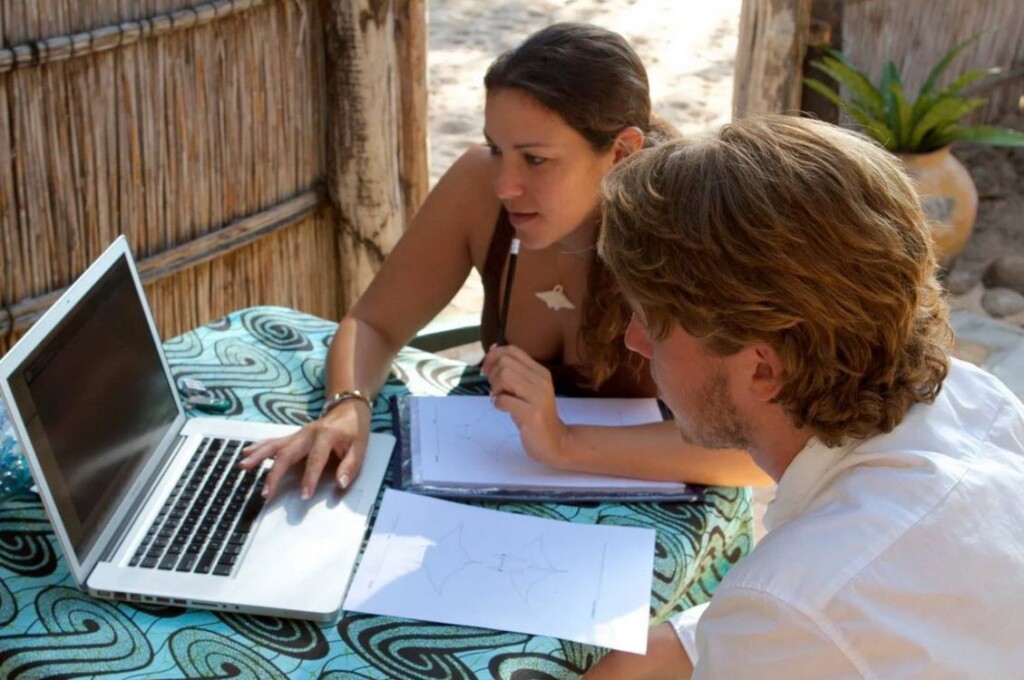
The discovery of the M. yarae not only adds to our understanding of manta rays but also provides a fascinating insight into evolution itself. This species is one of the most recently formed lineages within the manta ray family, suggesting ongoing evolution that researchers are eager to observe firsthand. As co-author Jessica Pate aptly put it, “It’s rare to witness speciation at play.”
The differences between M. yarae and its relatives offer a priceless opportunity for scientists to understand marine biodiversity and adaptation processes. Dr. Marshall often shares an inspirational message with kids who wonder if there’s still anything left to uncover in our world: “I’m living proof that there is. The only limit is our willingness to explore and embrace the unknown.”
SHARE this inspiring story of dedication and discovery to celebrate our incredible oceans and those who protect them!
If you would like to see similar good news stories click here & Share this to brighten someone’s day.


