

What happens when the past reveals its secrets to the present? In a breathtaking corner of Norway, a hiker stumbled upon a remarkable relic of Iron Age ingenuity, shedding light on ancient traditions and giving us a glimpse into the lives of those who walked the Earth thousands of years ago. Join us as we explore this heartwarming tale of discovery and connection.
High in the majestic Aurlandsfjellet Plateau, where the air is crisp and the snow blankets the landscape, a curious hiker named Helge Titland set out for a day of adventure in 2024. Little did he know that his journey would unveil an extraordinary glimpse into Norway’s rich history.
As Helge traversed the icy terrain, his attention was drawn to an unusual sight: a large wooden structure peeking through the ice. Upon closer inspection, he realized it was an ancient wild reindeer trap, skillfully crafted by Iron Age inhabitants. Intrigued, Helge felt a wave of excitement and called the Museum of Bergen to further investigate this fascinating find.
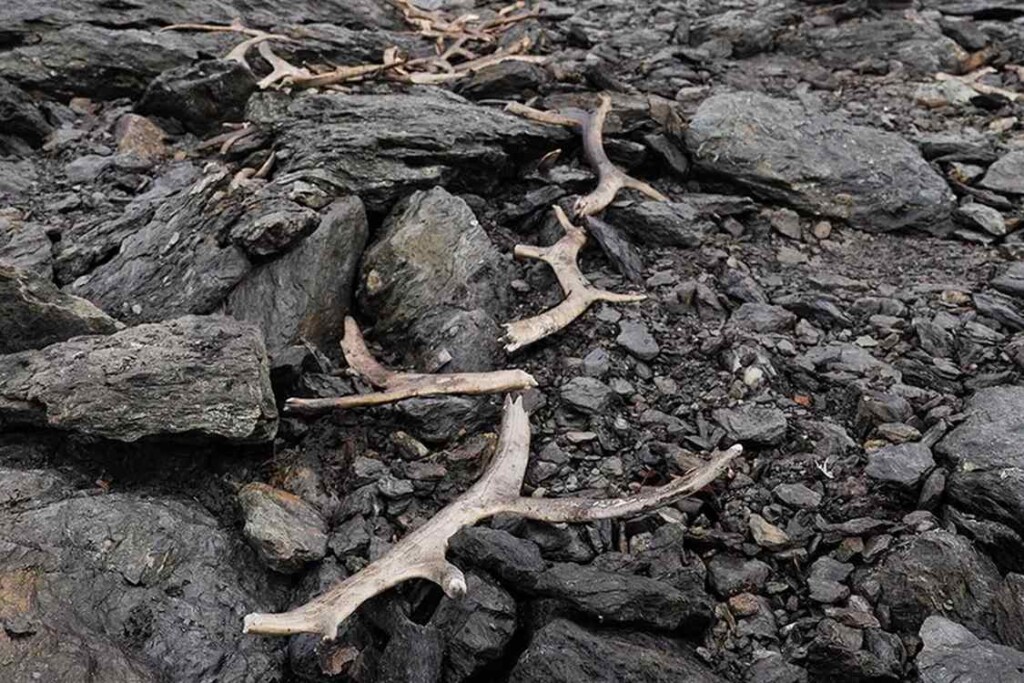
Archaeologists soon arrived to examine the site, uncovering not only the trap but a treasure trove of hunting artifacts. Wooden fences formed an intricate system designed to channel reindeer into a narrow pathway, allowing hunters to strike with arrows easily. Among the artifacts were piles of reindeer antlers, an iron spearhead, arrows, and even a beautiful brooch crafted from reindeer antlers, each piece weaving a story of survival and community from an era between 500 BCE and 500 CE.
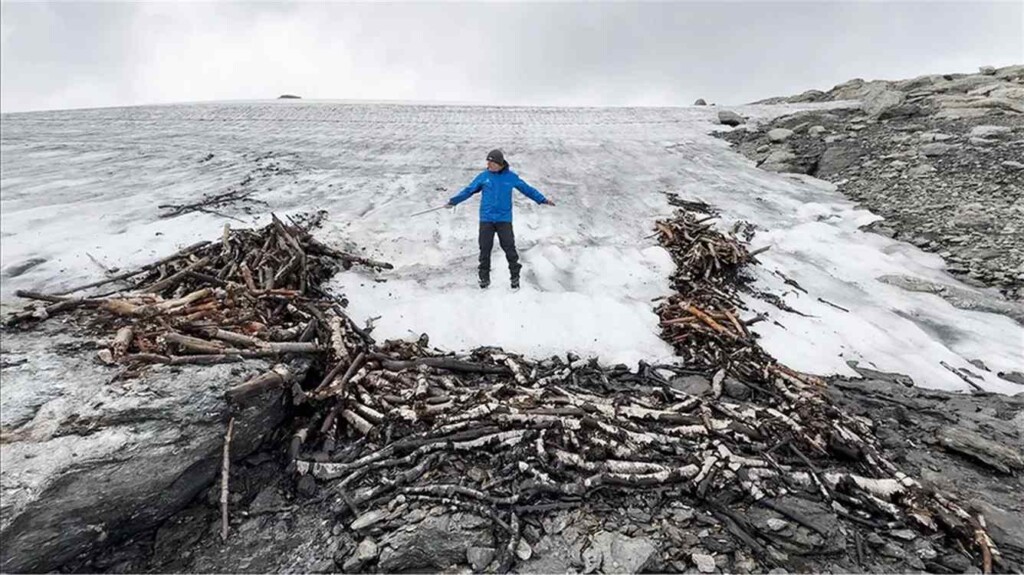
According to Øystein Skår, an archaeologist with Vestland County, this wooden trap is a groundbreaking discovery, marking it as the first mass-capture site of its kind uncovered in Norway—and even potentially all of Europe. The realization that such an intricate system was created so long ago highlights the resourcefulness and strength of those early inhabitants.
But the wonders didn’t end there. The preservation conditions at high altitudes in Norway are unique, allowing ancient artifacts to remain remarkably intact beneath layers of ice and snow. One such artifact, a beautifully crafted wooden oar, emerged from its frozen slumber, sporting intricate details that make it seem as if it were made in recent times.
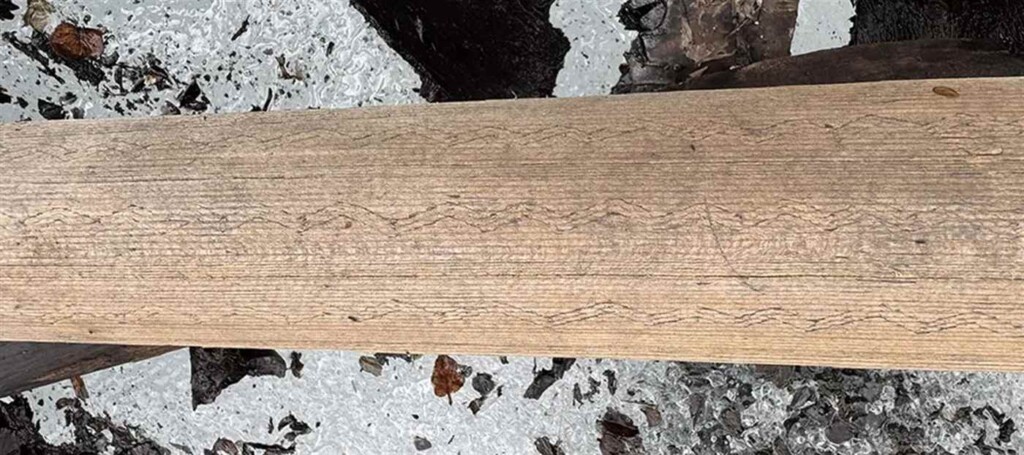
However, this remarkable find leaves us with unanswered questions. Why was the trap abandoned, and what circumstances led to the artifacts being left behind? Researchers speculate a sudden climate change may have been responsible, leaving deeper snowfalls that hid the trap from view and preventing hunters from returning.
In the end, as the ice slowly melts away, it reveals not just artifacts but a rich tapestry of history that bridges our world with those who came before. This incredible discovery is a reminder that our past shapes us, and sometimes, nature itself holds the keys to unlocking stories that have long been forgotten.
If you would like to see similar good news stories click here & Share this to brighten someone’s day.


